
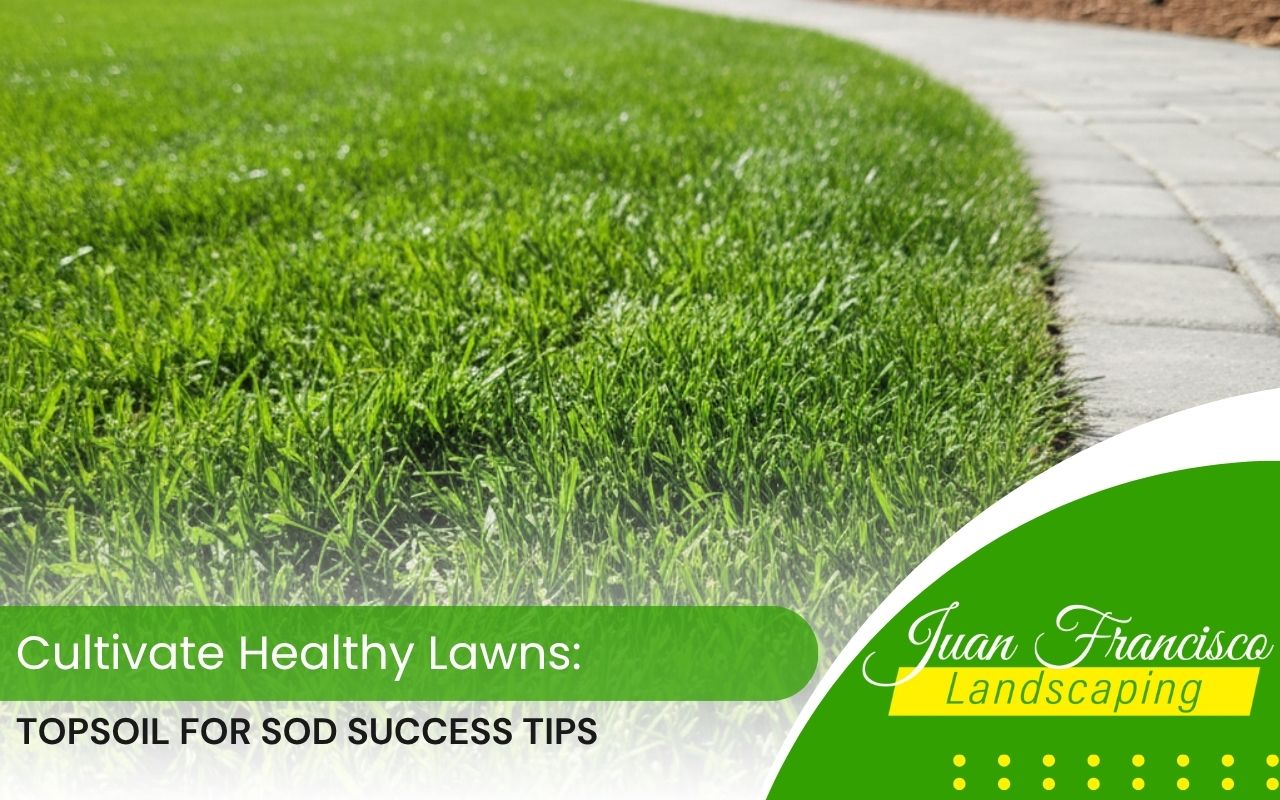
Cultivate Healthy Lawns: Topsoil for Sod Success Tips
Transforming your patchy yard into a lush, vibrant oasis often feels like an elusive dream. The secret ingredient to achieving a flawless carpet of green lies beneath the surface: topsoil. By harnessing the power of topsoil for sod, you can lay the foundation for your lawn to not only survive but thrive. This post reveals how quality soil preparation impacts long-term lawn health and beauty. Many homeowners overlook this vital step, yet proper soil management is the lifeline for successful sod installation. Explore expert strategies that enhance growth, improve resilience, and make your lawn the envy of the neighborhood.
Understanding the Role of Topsoil in Sod Health
Recognizing why topsoil for sod matters is essential for a lush lawn. Quality soil contains a balanced mix of sand, silt, and clay that promotes root development. Roots penetrate easily in porous soil, anchoring grass and absorbing vital nutrients. Without this structure, sod roots struggle and the turf becomes prone to stress and disease.
Moreover, topsoil acts as a reservoir for minerals and organic matter. Organic content boosts microbial activity, enhancing nutrient availability. The presence of humus reduces erosion, regulates temperature, and improves water retention. Choosing the right topsoil for sod ensures lasting health and resistance to drought, disease, and wear.
Assessing Your Current Soil Quality
Evaluating your soil before installation saves time and effort. Begin by taking samples from different areas of your yard, especially high and low spots. A laboratory test will identify pH, nutrient deficiencies, and organic matter levels. These insights guide how to adjust or replace existing soil with topsoil for sod.
Additionally, perform quick tests at home. Check texture by rubbing soil between your fingers—it should feel neither too gritty nor sticky. Push a screwdriver into the ground; resistance signals compaction. Observe drainage after rainfall; standing water means poor infiltration. These checks help you select the best topsoil for sod that matches your yard’s needs.
Choosing the Right Type of Topsoil for Sod
Choosing suitable soil ensures successful sod installation. Topsoil for sod should ideally be loamy, combining sand, silt, and clay. This balance guarantees drainage, nutrient storage, and easy root penetration.
- Seek screened, weed-free mixes enriched with compost.
- Request analysis certificates to confirm cleanliness and nutrient quality.
- Opt for blends formulated specifically for sod or turf.
High-quality topsoil for sod reduces maintenance and enhances turf durability, ensuring your lawn thrives season after season.
Preparing the Ground for Sod Installation
Before your sod arrives, prepare the soil properly. Remove debris like rocks, roots, and weeds to prevent uneven growth. Level the surface, grading gently away from structures for runoff control. Spread a 2–4 inch layer of topsoil for sod and blend it with native soil. This layer supports root establishment and consistent turf growth.
- Clear the area thoroughly to eliminate obstacles.
- Rake evenly for a smooth, level surface.
- Check slope to prevent water pooling near foundations.
To ensure professional results, consider expert assistance from Sod Installation in Knoxville. Their team ensures every layer of soil is optimized for success.
Testing and Amending the Soil as Needed
Once grading is done, fine-tune soil conditions based on test results. Adjust pH using lime or sulfur to achieve the ideal range between 6.0 and 7.0. This balance maximizes nutrient absorption and supports strong growth.
Incorporate fertilizers and organic materials such as compost or peat moss into the topsoil for sod. Mixing these amendments improves structure and water retention. Till the soil to a depth of six to eight inches for a uniform planting base. Doing so tailors the soil environment for quick establishment and long-term turf vitality.
Ensuring Proper Drainage and Moisture Levels
Even premium topsoil for sod cannot thrive in poor drainage conditions. Make sure your yard slopes gently—around 1–2%—away from the home. If water collects in low spots, install French drains or swales to redirect runoff.
- Maintain consistent soil moisture during early rooting.
- Water lightly and frequently for the first two weeks.
- Gradually reduce frequency as roots deepen.
Balanced irrigation ensures the topsoil for sod stays evenly moist, promoting resilience against drought and overwatering.
Installing Sod on Quality Topsoil
Lay sod strips along a straight edge, like a driveway or path. Butt edges tightly but avoid overlapping. Press the sod firmly onto the soil to ensure contact. Use a roller lightly filled with water to settle the soil and remove air pockets.
Immediately water the new lawn to keep the soil beneath moist. For the first two weeks, water daily or twice a day if conditions are hot. Partnering with professionals from Landscaping Services can simplify this process and guarantee smooth installation.
Post-Installation Care for Long-Term Success
After the sod roots firmly, usually within two to three weeks, begin mowing at a height of three inches. Keep mower blades sharp to avoid grass tearing. Fertilize six to eight weeks post-installation using a balanced, slow-release formula. Aerate compacted areas annually to maintain soil porosity and root health.
With continued attention and rich topsoil for sod, your lawn will remain green, lush, and strong for years to come. Regular maintenance and patience are key to long-lasting beauty.
FAQs About Topsoil and Sod
How deep should the topsoil be before laying sod?
Ideally, apply two to four inches of topsoil for sod to create a supportive base for root establishment.
Can I place sod directly on existing soil?
While possible, sod performs better when laid over prepared topsoil, which improves drainage and nutrient access.
How long before sod roots grow into the topsoil?
Roots generally establish within two to three weeks under consistent watering and ideal soil conditions.
What type of fertilizer should I use before sod installation?
A starter fertilizer high in phosphorus promotes root development and faster establishment in the topsoil for sod.
When is the best time to install sod?
Spring or early fall are ideal since mild temperatures and moisture encourage healthy rooting in fresh topsoil.
Nurturing Your Lawn with Quality Topsoil
Quality topsoil for sod is the foundation of a healthy, long-lasting lawn. By understanding its purpose and maintaining proper soil structure, you ensure your turf thrives season after season. Invest in preparation, care, and expert guidance to achieve a landscape that enhances your home’s beauty. To get started, reach out through our Contact Page and transform your yard into a stunning green retreat.