
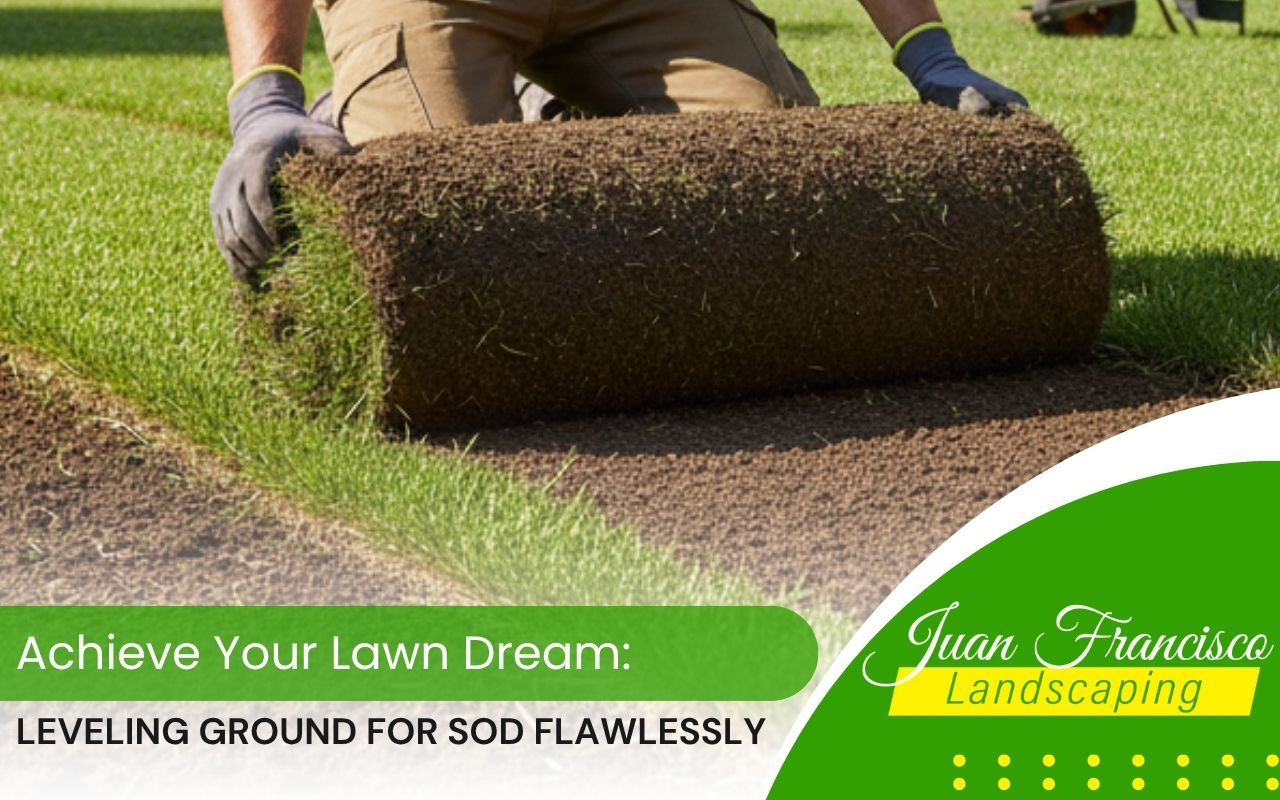
Achieve Your Lawn Dream: Leveling Ground for Sod Flawlessly
Unveil the secret to a lush, green paradise right at your doorstep by mastering one crucial step: leveling ground for sod. Many homeowners face uneven terrain, which disrupts the beauty of their lawns and hinders proper sod installation. These bumps and dips affect water distribution, ultimately impacting grass growth. With the right techniques, you can transform your outdoor space and create a strong foundation for a thriving lawn.
Without a properly leveled surface, even premium sod will struggle to root effectively. This can leave your yard looking uneven and unhealthy. Homeowners who take time to level their soil before sod installation see stronger, more resilient lawns. This guide will walk you through each essential step to achieve your dream yard, ensuring every piece of sod takes root beautifully.
Assessing Your Lawn Terrain
Before beginning, inspect your entire lawn carefully. Walk the area slowly, and note where water collects, grass thins, or the ground appears uneven. A simple garden hose laid straight can help reveal dips and rises. This early inspection is key to leveling ground for sod and helps prevent mistakes later.
Next, create a quick sketch of your yard, marking high and low points. Include features like pathways, sprinklers, and garden beds. Use a long level or string line to measure elevation differences. These details will help determine the amount of soil and tools you’ll need for the project.
Tools and Materials Needed for Ground Leveling
- Rake, shovel, and garden hoe
- Topsoil mixed with compost
- Leveling stakes, string lines, and laser level
- Sod roller and safety gear
Gathering your tools beforehand ensures a smooth workflow. For large projects, consider renting a box scraper or landscape rake for faster progress. Quality soil ensures a strong base, supporting healthy sod growth. Having everything ready helps keep your leveling ground for sod process efficient and accurate.
Removing Existing Vegetation and Debris
Start by mowing tall grass down to the soil. Then, use a sod cutter or shovel to remove the top layer. Roll up the old turf and dispose of it or compost it. Next, rake thoroughly to remove roots, rocks, and debris. Stubborn weeds should be pulled by hand or treated with biodegradable herbicide. This step ensures nothing disrupts your leveling ground for sod efforts later.
Determining the Desired Grade for Your Lawn
- Maintain a 1–2% slope away from structures.
- For every 8–12 feet, the soil should drop about one inch.
- Use stakes and strings to mark elevation points.
This gentle slope directs water away from your home, preventing puddles and erosion. A laser level helps set precise gradients. Verify that every area matches the desired grade, adjusting as necessary to achieve a flawless slope.
Techniques for Leveling Uneven Ground
To fill depressions, add topsoil and compost mix, spreading it evenly. Feather edges with a rake to blend new soil with existing grades. If you have raised areas, remove excess soil and reuse it to fill low spots. Larger spaces may require a compact tractor or landscape rake. Use a 2×4 board to check for irregularities, fine-tuning your leveling ground for sod until it’s perfect.
Importance of Proper Soil Compaction
Compacting prevents future settling and provides a firm base. Use a hand tamper for small spaces or a plate compactor for larger yards. Avoid over-compacting, as it may limit root growth and water flow. After compaction, lightly moisten the soil, then recheck your grade. This ensures your leveling ground for sod efforts result in a stable, even surface.
Addressing Drainage Issues
Good drainage protects sod roots from excess moisture. Identify problem areas where water collects after rainfall. You can install French drains, dry wells, or shallow gravel trenches to improve drainage. Mixing coarse sand into clay soil increases permeability. Taking these precautions before installation ensures long-term sod health.
Testing the Evenness of the Leveled Ground
Lay a long straightedge or leveling rail across different spots. Gaps show low spots, while rocking indicates high ones. Adjust accordingly using your rake and shovel. A string line at your desired grade helps verify precision. Repeat this process until the ground surface appears uniform and ready for sod placement.
Preparing the Ground for Sod Installation
Lightly till the top half-inch of soil to encourage sod root penetration. Rake the surface smooth, then apply a starter fertilizer high in phosphorus. Moistening the soil before sod placement enhances bonding. Install sod in staggered rows, ensuring tight seams. Roll over the sod to ensure full contact with the soil. Finally, water deeply to start root establishment.
Frequently Asked Questions
How do I know if my lawn needs leveling before laying sod?
Check for water pooling, uneven growth, or visible slopes. These indicate you should begin leveling ground for sod.
Can I level my yard myself or should I hire professionals?
Small yards can often be leveled with basic tools. For extensive slopes, professional help ensures precision and efficiency.
How long should I wait to install sod after leveling the ground?
It’s best to lay sod immediately after leveling and moistening the soil to ensure strong root contact and rapid growth.
What type of soil should I use when leveling my lawn?
A mixture of quality topsoil and compost works best for leveling ground for sod because it promotes healthy root development.
How can I maintain my leveled lawn after sod installation?
Regular watering, light rolling, and proper mowing prevent uneven settling and keep your lawn surface smooth.
Embracing Your Flawlessly Leveled Lawn
- Review your process for consistency.
- Maintain even watering and mowing schedules.
- Monitor the lawn for any settling spots over time.
By following these steps, you’ve truly mastered leveling ground for sod. With attention to detail and care, your new sod will thrive beautifully. For professional support or more landscaping services, visit our Services page. To discuss your project with experts, contact our team through the Contact page, or explore our specialized Sod Installation in Knoxville solutions to bring your dream lawn to life.