
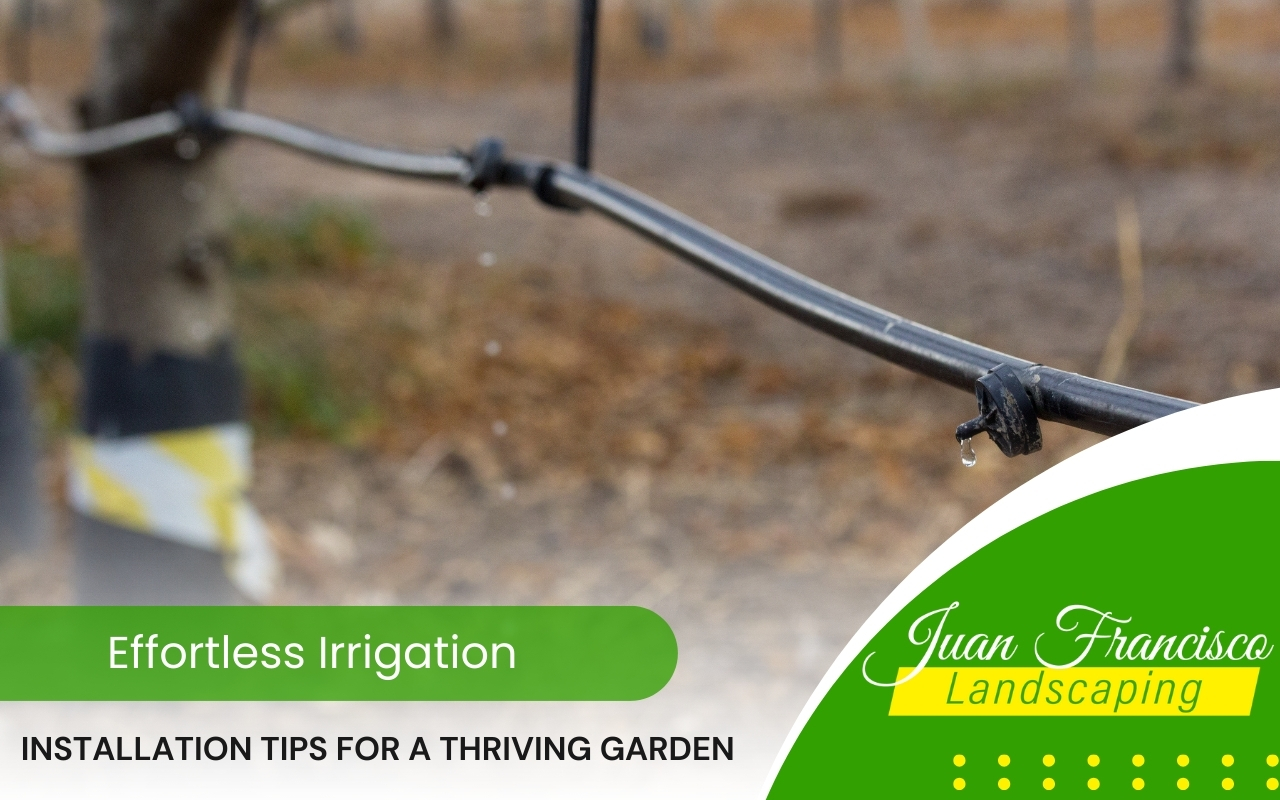
Effortless Irrigation Installation Tips for a Thriving Garden
Transforming your garden into a lush paradise can seem impossible if plants are inconsistently watered. However, with the right irrigation installation tips, this challenge becomes manageable. Proper strategies help maintain vibrant greens and prevent dry, wilted areas. These tips save time, energy, and ensure plants receive adequate hydration. Whether novice or experienced, following these guidelines simplifies garden care and guarantees optimal growth. Additionally, effective irrigation planning promotes sustainable water use and improves overall garden health.
Choosing the Right Irrigation System for Your Garden
Drip Irrigation System
Drip irrigation provides targeted hydration directly to plant roots, reducing evaporation losses. It is ideal for raised beds or containers. This system is expandable with modular kits, allowing flexibility as your garden grows. Following key irrigation installation tips ensures efficient water use and healthy plants.
Soaker Hose System
Soaker hoses deliver water slowly through porous walls, reaching deep roots. Perfect for densely planted areas, they reduce runoff. Installation is easy and maintenance minimal. Implementing proper irrigation installation tips ensures consistent moisture and plant health.
Sprinkler System
Sprinklers cover large lawns or open spaces effectively. Careful zoning avoids overwatering or dry spots. Customizable nozzles optimize water distribution. Applying irrigation installation tips during setup prevents waste and ensures uniform coverage.
Understanding Your Garden’s Water Needs
Assess water requirements for each plant type based on root depth, species, and climate. Deep-rooted trees need less frequent, heavier watering, while shallow plants benefit from frequent cycles. Observing leaf wilting or runoff helps refine irrigation installation tips. Seasonal changes affect watering frequency, and soil type impacts retention. Sandy soils require frequent irrigation, while clay holds water longer. Regular monitoring ensures optimal hydration without overwatering.
Assessing Your Garden Layout for Optimal Irrigation
Measure garden area, elevation, sun exposure, and plant groupings. Mapping zones ensures water reaches intended areas efficiently. Grouping similar water-demand plants simplifies scheduling and prevents waste. Position valves and filters in accessible spots to minimize maintenance. Detailed layouts allow experimentation with emitter spacing and line runs before installation. Following these irrigation installation tips improves coverage accuracy.
Selecting the Ideal Water Source for Efficiency
Choose a reliable water source, such as municipal lines, wells, or rainwater. Backflow preventers protect potable water. Filtration and pressure regulation ensure smooth emitter operation. Rainwater storage requires pumps or gravity-fed systems. Proper setup balances efficiency, cost, and sustainability. Integrating irrigation installation tips maximizes performance and reduces environmental impact.
Installing Drip Irrigation like a Pro
Lay mainlines along the garden perimeter and secure with stakes. Branch tubing to individual plants and insert emitters. Install a filter and pressure regulator to prevent clogging. Flush lines before adding emitters and test for leaks. Adjust flow and placement for uniform coverage. Following these irrigation installation tips ensures precision and water efficiency.
Setting Up Automated Timers for Convenient Watering
Program timers for consistent schedules, even during absences. Battery or AC-powered models provide flexibility. Mount timers in sheltered, accessible locations. Schedule watering during early morning or late evening to reduce evaporation. Separate zones may need different frequencies based on soil type. Trial runs verify proper coverage. Implementing irrigation installation tips guarantees reliable, automated garden care.
Incorporating Rainwater Harvesting Techniques
Capture runoff from roofs using gutters and barrels. Filter water to remove debris and prevent mosquito breeding. Pump or gravity-feed harvested water into irrigation systems. Integration supports drip lines or soaker hoses effectively. Combining rainwater harvesting with irrigation installation tips improves sustainability and reduces municipal water dependency.
Troubleshooting Common Irrigation Installation Issues
Low Water Pressure
Inspect filters, valves, and tubing for blockages or leaks. Adjust regulators and replace damaged components. Applying irrigation installation tips resolves pressure issues quickly.
Uneven Watering
Check emitter alignment and remove clogs. Adjust spacing and run system at full pressure to clear air pockets. Proper placement ensures uniform distribution throughout the garden.
Regular Maintenance
Flush lines, inspect valves, and clean filters regularly. Proactive upkeep extends system lifespan and maintains healthy plants. Following irrigation installation tips prevents larger problems from arising.
Maximizing Water Conservation in Your Garden
Use mulches to reduce evaporation and moderate soil temperature. Group plants with similar needs into zones. Monitor soil moisture with probes and meters. Select native or drought-tolerant species for lower water requirements. Combining efficient system design with irrigation installation tips promotes conservation and healthy growth.
Frequently Asked Questions
What are the most effective irrigation installation tips for preventing water waste?
Use a pressure regulator and filter, and group plants by water needs into separate zones. This ensures moisture is applied only where required.
How do I choose between drip irrigation and sprinklers for different garden areas?
Drip irrigation suits beds and shrubs with direct root watering. Sprinklers cover lawns or open areas. Assess plant needs and layout for optimal choice.
Can I integrate rainwater harvesting into an existing irrigation system?
Yes, funnel gutter runoff into barrels or tanks, then pump or gravity-feed it into the system. Install a sediment filter to protect emitters and valves.
What should I do if some emitters are not delivering water evenly?
Flush affected lines to clear debris. Rinse and reattach emitters. Check for kinks or damaged tubing and replace as needed.
How often should I adjust my watering schedule seasonally?
Adjust at seasonal changes and after major weather events. Monitor soil moisture weekly to fine-tune irrigation durations and frequencies accordingly.
Enjoying a Flourishing Garden with Effortless Irrigation
With these irrigation installation tips, maintaining a vibrant garden becomes simple. Combine careful planning, automation, and rainwater harvesting to cultivate thriving landscapes. For expert guidance and professional installation, contact our team or explore our Knoxville services and Oak Ridge solutions.