
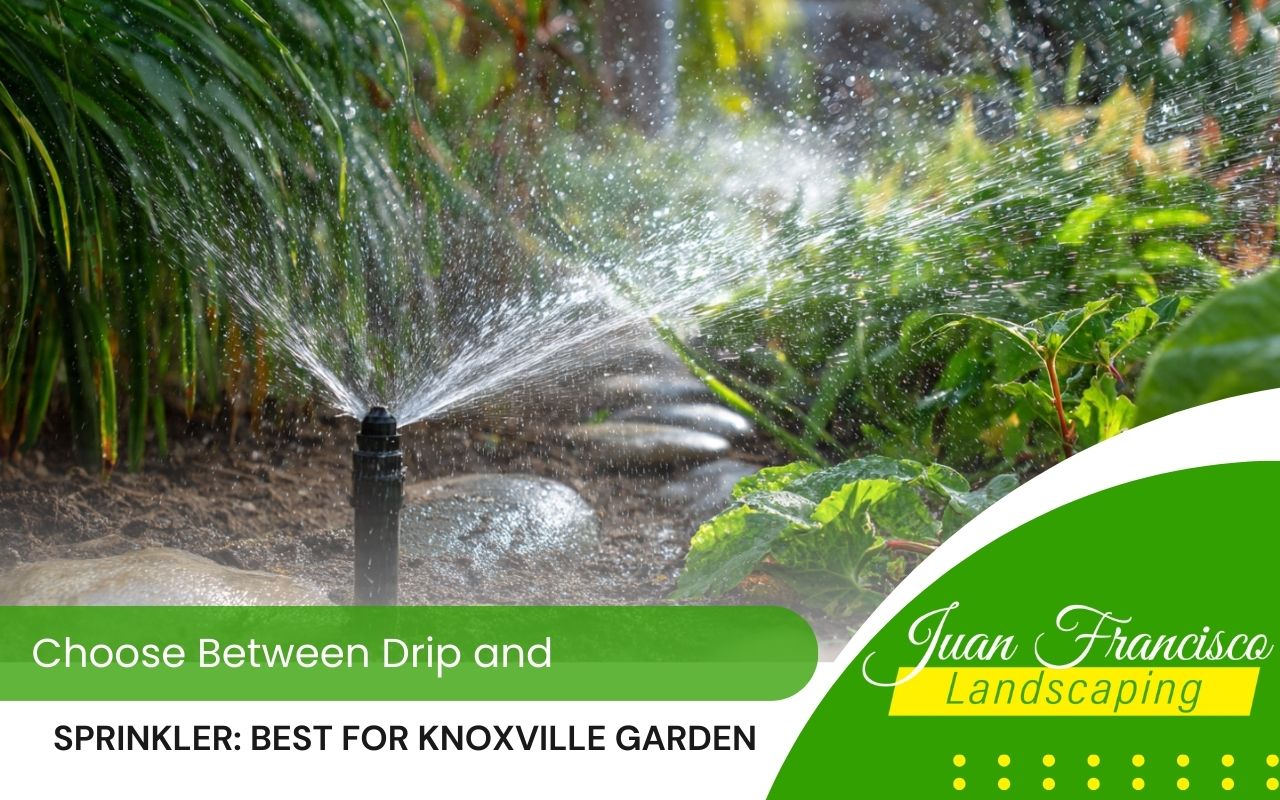
Choose Between Drip and Sprinkler: Best for Knoxville Gardens
Drip vs Sprinkler for Knoxville Garden Beds is more than a simple watering choice for local homeowners and gardeners. Knoxville’s warm, humid summers and mild winters demand a system that keeps plants hydrated without wasting water or time.
As you compare options, think about plant needs, soil type, and your routine. Drip systems send water straight to roots. Sprinklers imitate rainfall over wider spaces. When you understand how water and soil work together, you can shape healthier, brighter beds all year.
Pros and Cons of Drip Irrigation in Knoxville Gardens
Drip irrigation delivers water directly to the root zone, which reduces evaporation and runoff. This focused watering encourages deep roots and steady growth. In Knoxville’s afternoon heat, drip lines keep soil moist longer without soaking empty spaces between plants, so weeds often appear less.
However, designing and installing a drip layout takes planning. Tubing, emitters, and seasonal adjustments need attention. Mineral-rich local water can clog lines unless you maintain filters. For large or oddly shaped beds, the web of tubing may feel bulky and harder to change later.
- Excellent for raised beds, vegetables, and grouped perennials.
- Helps lower water use and limits weed growth.
- Needs regular checks for clogs, leaks, and damaged lines.
- Can be complex to expand in crowded or irregular beds.
When comparing Drip vs Sprinkler for Knoxville Garden Beds, drip irrigation stands out for gardeners who value efficient, targeted watering with less waste.
Pros and Cons of Sprinkler Systems in Knoxville Gardens
Sprinkler systems offer wide coverage, so they easily water lawns and large beds with quick setup. Because they mimic gentle rainfall, they are ideal for even coverage on open, symmetrical areas. Timers also let you schedule watering during cooler hours without daily effort.
Yet sprinklers can lose much water to evaporation on hot, sunny, or windy days. Wet foliage may foster fungal problems. Overhead watering also encourages weeds between beds. Buried pipe systems often cost more to install, and repairs may require digging through turf or planting areas.
- Great for lawns and broad planting areas.
- Works well with automatic timers and rain sensors.
- Can waste water through wind drift and evaporation.
- May promote disease when leaves stay wet for hours.
Many homeowners weighing Drip vs Sprinkler for Knoxville Garden Beds appreciate how sprinklers quickly cover open spaces, especially when systems are well designed and automated.
Factors to Consider Before Choosing Drip Irrigation
First, look closely at your garden’s layout and plant types. Rows of vegetables, clustered perennials, and raised beds gain the most from drip lines. Knoxville’s clay soil holds water differently than lighter soils, so controlled delivery helps prevent both soggy roots and dry patches.
Next, think about system complexity and your comfort with maintenance. Larger gardens may need regulators, filters, and sturdy main lines. To plan efficiently, review essential irrigation system design principles before purchasing parts or installing tubing around your beds.
- Check soil type, slope, and sun exposure in each bed.
- Group plants with similar water needs on shared lines.
- Plan for easy access to filters and valves.
- Include winterization steps to protect parts from freezing.
If your priority in Drip vs Sprinkler for Knoxville Garden Beds is precise watering and less waste, drip irrigation will often suit your goals very well.
Factors to Consider Before Choosing Sprinkler Systems
Lawn-focused yards and wide planting areas naturally favor sprinklers. Evaluate the shape and size of each section, along with trees, patios, and paths. Rotors match open lawns, while spray heads fit smaller beds. Adequate water pressure is essential for even coverage without runoff.
Installation needs also matter. Buried pipes require trenching and careful routing. Adding timers and rain sensors boosts performance but raises initial cost. However, these features can quickly pay off in water savings and convenience when they are correctly set for local weather patterns.
- Measure zones so heads overlap correctly.
- Avoid spraying hardscapes like driveways or sidewalks.
- Match nozzle types to plant height and spacing.
- Design separate zones for lawns and planting beds.
Best Practices for Installing a Drip Irrigation System in Knoxville
Start with quality, UV-resistant tubing, reliable fittings, and a strong filter suited to Knoxville’s water. Lay main and branch lines on top of the soil first. This dry run helps you adjust emitter spacing and flow before burying lines or covering them with mulch.
Install a pressure regulator near your water source to keep tubing and emitters safe. Then connect hose adapters to your spigot and add an automatic timer for early-morning watering. Finally, label each zone. This simple step makes winterizing and future repairs faster and much less confusing.
For homeowners who prefer expert help, scheduling professional irrigation system installation in Knoxville ensures your drip layout is efficient, durable, and tailored to your garden beds.
Best Practices for Installing a Sprinkler System in Knoxville
Begin by mapping your property carefully, including slopes, obstacles, and planting zones. Use this map to decide where to place rotors and spray heads. Group similar areas together, so sunny lawns and shaded borders receive the right amount of water independently.
Dig trenches deep enough to protect PVC pipes from damage. Use a dependable backflow preventer to keep household water safe. Before backfilling, test each zone and adjust head alignment to avoid dry spots or overspray. A controller with rain sensor support helps reduce watering after storms.
Maintaining and Troubleshooting Drip Irrigation Systems in Knoxville
Regular care keeps drip systems efficient through Knoxville’s changing seasons. Inspect filters once a month and remove trapped debris. Flush lines at least twice each year, especially before the hottest months, to clear sediment that may clog emitters and reduce flow.
When you notice low output, check water pressure, clean emitters, or replace damaged parts. Cut out burned or chewed tubing sections and reconnect with repair couplings. To make seasonal upkeep easier, pair your routine with guidance on effective irrigation system maintenance tailored to local conditions.
Maintaining and Troubleshooting Sprinkler Systems in Knoxville
Every spring, test each sprinkler zone before peak watering season. Look for clogged, tilted, or broken heads. Short test cycles help you spot uneven coverage, pooling water, or spray hitting walkways and fences instead of plants and lawn areas.
In autumn, blow out lines with an air compressor to prevent freeze damage. Cover or protect controllers from weather. During the growing season, adjust run times as rainfall changes. Move or fine-tune heads when plants mature or new landscaping alters sun and shade patterns.
Comparing Water Efficiency of Drip Irrigation vs Sprinkler Systems in Knoxville Gardens
Drip irrigation can use far less water than overhead sprinklers, because it sends moisture straight to the root zone. Less water evaporates or runs off, which is extremely helpful during Knoxville’s hot, sunny spells. As a result, plants often grow deeper roots and show fewer fungal troubles.
Sprinklers can still work efficiently when planned and programmed with care. Rain sensors, smart controllers, and well-chosen nozzles reduce waste. To fine-tune performance, review ways to boost irrigation efficiency by adjusting schedules, pressure, and zone layouts to current weather.
From a pure efficiency angle, Drip vs Sprinkler for Knoxville Garden Beds is rarely a close contest, since drip lines almost always use less water overall.
Frequently Asked Questions
Is drip irrigation better than sprinklers for vegetable beds in Knoxville?
Yes, most Knoxville vegetable beds benefit more from drip irrigation. Water goes straight to roots, leaves stay drier, and soil between rows remains less inviting for weeds. This setup also reduces fungal issues that sometimes appear with frequent overhead watering.
Can I combine drip irrigation and sprinklers in the same yard?
Absolutely, many landscapes use both systems together. Sprinklers usually handle lawns and large groundcover areas. Meanwhile, drip lines serve raised beds, shrubs, and containers. Separate zones and timers let you match the watering schedule to each area’s unique needs.
How often should I run my drip system during Knoxville’s summer?
Frequency depends on plant type, soil, and mulch. As a general guide, deeper but less frequent watering works better than daily, shallow cycles. Start with a few longer sessions each week, then adjust duration and timing based on soil moisture and plant responses.
What maintenance does a sprinkler system need each year?
At minimum, plan a spring checkup and a fall shutdown. In spring, inspect and clean heads, check coverage, and reset schedules. In fall, blow out lines, protect controllers, and repair any damaged parts. Regular midseason checks help catch minor issues early.
When should I call a professional for irrigation help?
You should contact a specialist when leaks persist, coverage is uneven, or design changes feel overwhelming. A local expert can redesign zones, upgrade controllers, or replace failing parts. This support saves time and protects plants from chronic overwatering or drought stress.
Making the Right Choice for Your Knoxville Garden
Ultimately, choosing between drip and sprinklers depends on your goals, layout, and willingness to maintain equipment. Drip systems excel in targeted, efficient watering for beds and edible gardens. Sprinklers provide broad, convenient coverage for lawns and large, open plantings with minimal daily effort.
By understanding Drip vs Sprinkler for Knoxville Garden Beds, you can match the right system to every planting zone. If you need tailored advice or design support, you can contact our Knoxville irrigation team to explore options that fit your soil, slopes, plants, and long-term outdoor plans.