
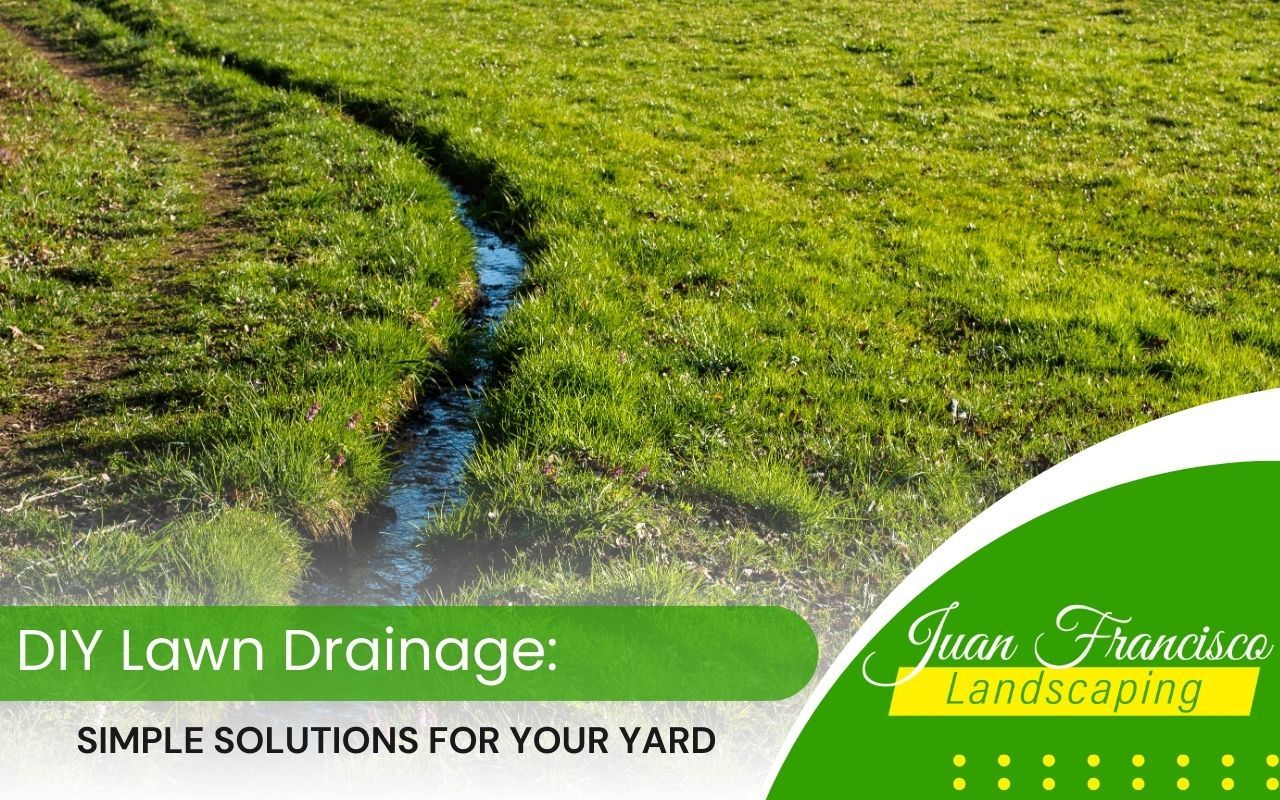
DIY Lawn Drainage: Simple Solutions for Your Yard
If you’re dealing with water pooling or soggy spots in your yard, DIY lawn drainage can be a cost-effective and simple way to fix the issue. In Knoxville, homeowners often face challenges with excess water, and a hands-on approach to drainage can save time and money. Implementing a few strategic techniques ensures your lawn stays healthy and well-drained throughout the year.
DIY Lawn Drainage Techniques
The Importance of DIY Lawn Drainage
In Knoxville, heavy rains and clay-heavy soil can lead to poor drainage in many yards. Without a proper system in place, water can quickly accumulate, leading to flooded areas and damage to plants and lawns. By focusing on DIY solutions, you can address these problems at the source without relying on costly external contractors.
How to Create DIY Lawn Drainage Systems
Implementing DIY drainage solutions requires a few essential steps that homeowners can easily handle:
- French Drains: Installing a French drain is a great way to divert water away from areas where it tends to pool. This trench filled with gravel and a perforated pipe allows water to flow through and away from your lawn, preventing flooding.
- Swales and Berms: Building a swale (a shallow ditch) or a berm (a raised area) can help redirect water to lower areas of your property. These landscaping features allow water to flow naturally and safely away from vulnerable spots.
- Dry Wells: A dry well is an underground reservoir that captures water and gradually allows it to filter into the soil. It can be particularly effective in areas where water pools consistently.
Improve Soil Drainage for Better Results
Amend Your Soil for Better Water Flow
A crucial part of DIY lawn drainage is improving your soil’s ability to drain water. Adding organic material such as compost to the soil increases its permeability, allowing water to pass through more easily. This can help prevent surface runoff, ensuring water penetrates deep into the soil rather than pooling on the surface.
Aeration to Promote Healthy Drainage
One of the simplest and most effective DIY lawn drainage techniques is aeration. A lawn aerator creates small holes in the soil, allowing water to penetrate deeper and reducing the chance of water sitting on the surface. Aeration also improves root growth and supports healthier turf.
Eco-Friendly Lawn Drainage Methods
Using Sustainable Materials for Drainage Solutions
Choosing eco-friendly materials can make a big difference when it comes to DIY lawn drainage. Opting for natural rocks, gravel, and biodegradable mulch is beneficial for your lawn and the environment. These materials allow water to flow more efficiently and reduce the need for synthetic drainage systems.
Rainwater Harvesting for a Greener Yard
Rainwater harvesting is another sustainable DIY solution that can address drainage issues while conserving water. By installing a rain barrel or system, you can collect runoff water and use it to irrigate your lawn, reducing the impact of heavy rain while keeping your landscape hydrated.
Take Action on DIY Lawn Drainage Today
Implementing DIY lawn drainage techniques is a rewarding and practical solution to improve the health and appearance of your yard. At Juan Francisco Landscaping, we offer expert advice and services to help you create the best drainage system for your lawn. If you need assistance, don’t hesitate to contact us today at (865) 455-3964 and let us help you design the perfect drainage solution.