
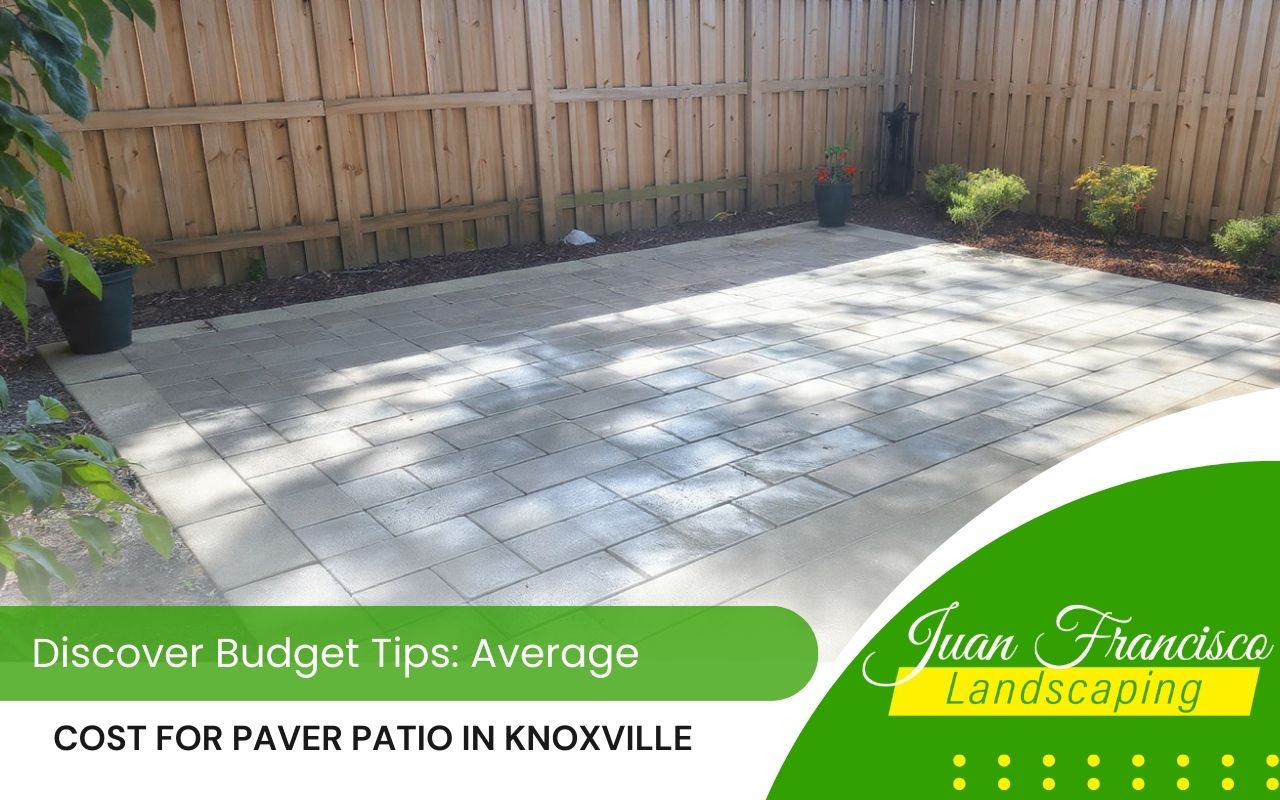
Discover Budget Tips: Average Cost for Paver Patio in Knoxville
Average Cost for Paver Patio in Knoxville is a key number when you start planning your new outdoor space. When you understand this cost, you can set a clear budget and avoid surprises during the project.
With simple budget tips, you can design a welcoming patio without spending too much. This guide explains prices, smart choices, and cost-saving ideas so you feel confident while planning your next outdoor upgrade.
Factors Influencing the Average Cost for Paver Patio in Knoxville
Several elements shape the final price of your patio project. First, patio size and layout matter a lot. Larger spaces or detailed shapes need more materials and extra labor, which quickly increases the total cost.
Moreover, the type of paver you choose plays a big role. Brick, natural stone, and concrete pavers have different looks, strengths, and price ranges. Simple concrete styles usually cost less, while premium stones raise the budget.
- Patio size and overall layout
- Paver style, quality, and thickness
- Ground conditions and site preparation needs
- Local labor rates and seasonal demand
Site Preparation and Ground Conditions
Additionally, uneven soil, tree roots, or poor drainage can require deeper excavation and more base material. These steps protect your patio, yet they also add time and cost to the project.
Labor rates also affect the final price. Skilled installers may charge more, especially during busy seasons. However, they usually deliver better results and fewer problems later on. If you want a full outdoor refresh, you might explore
hardscaping services in Knoxville to plan your entire yard together.
Average Cost Breakdown: Materials and Labor
When you review the Average Cost for Paver Patio in Knoxville, it helps to separate materials and labor. This makes it easier to see where your money goes and where you can adjust your plan.
Material costs include pavers, gravel or crushed stone base, sand, edging, and joint sand. Higher-end pavers offer strong performance and rich color, yet they raise the project price compared with basic options.
- Base materials: gravel or crushed stone and sand
- Pavers: concrete, brick, or natural stone
- Edging: plastic, metal, or stone borders
- Joint fill: regular or polymeric sand
Labor covers site preparation, base installation, leveling, paver laying, cutting, compaction, and final cleanup. While labor can feel expensive, professional work reduces shifting, settling, and water issues over time.
You can sometimes lower material costs by choosing standard sizes instead of custom shapes. Furthermore, simpler patterns and layouts can reduce installation hours and labor charges.
Understanding Design Choices Impacting Pricing
Design choices also influence your total cost. Simple rectangular or square patios use straight lines and fewer cuts, so they usually cost less. Curved edges, circles, or custom borders demand more precise cutting and extra labor.
The pattern you select matters too. Running bond is straightforward and quick to lay. However, herringbone and basket weave patterns take more time and skill, which raises the labor portion of the budget.
Color blends and mixed paver styles create a rich look but can increase material expenses. If you prefer a lower budget, you might stick to one color and one shape for a clean, timeless design.
Cost-Effective Alternatives to Traditional Paver Materials
Choosing cost-effective materials can keep your project within budget while still looking great. Concrete pavers are often the most affordable choice and come in many shapes and finishes that mimic stone or brick.
Recycled or reclaimed pavers, such as old bricks or salvaged stone, can give your patio a unique, rustic style. They also help reduce waste and often cost less than new premium stone products.
- Concrete pavers with simple shapes and neutral colors
- Reclaimed bricks or stone for a vintage feel
- Permeable grids filled with gravel for eco projects
For a greener and budget-friendly option, you can consider
recycled materials for patios in Knoxville. These choices support sustainability while still delivering a durable, attractive surface.
DIY vs. Professional Installation: Pros and Cons
Handling the project yourself can save money on labor. With basic tools, good planning, and help from friends, smaller patios are often manageable as a weekend project.
However, professional installers bring experience and efficient methods. They know how to manage difficult soil, slopes, and drainage. Their work is usually faster and may include warranties, which can reduce long-term repair costs.
Before deciding, honestly review your skills, tools, and time. If you feel unsure about base preparation or cutting pavers accurately, hiring a pro might be the safer choice.
Tips for Negotiating Prices with Contractors
When working with contractors, gathering several quotes is a smart first step. Ask each company to separate material costs, labor, and any extra fees so you can compare clearly.
Next, share your budget range and ask where you might save without hurting quality. Sometimes changing the pattern or paver type keeps the look you want while lowering the final bill.
Additionally, you might bundle services. For example, pairing the patio with drainage work or planting beds can lead to better pricing. If you are ready to discuss your ideas, you can
contact our team in Knoxville for tailored guidance and a detailed plan.
Maximizing Value: Enhancements within Budget
Even with a modest budget, small upgrades can add big value. For instance, simple solar lights or low-voltage LED strips create a cozy evening atmosphere at a low cost.
Leftover pavers can form borders, accents, or small step pads. These elements highlight the design without requiring extra full pallets of material.
You can also plan built-in seating walls or planter borders using the same or matching materials. These features increase comfort and style while keeping the overall look consistent.
Maintenance Costs and Long-Term Savings
Regular care keeps your patio looking fresh and helps avoid expensive fixes. Simple tasks like sweeping debris, rinsing stains, and using weed control in the joints make a big difference.
Every few years, sealing the surface can protect pavers from fading and stains. This small investment helps the patio maintain its color and durability over time.
Occasionally, you may need to re-level a few pavers or refill joints. Catching small issues early is much cheaper than rebuilding large sections later.
Environmental Considerations in Patio Budgeting
When planning your patio, it also helps to think about the environment. Permeable designs allow water to soak into the ground, easing pressure on storm drains and reducing runoff.
For example, you can explore
permeable pavers in Knoxville to manage rainwater more naturally. Using local stone or regionally made pavers also cuts transport costs and lowers your project’s carbon footprint.
Adding shade with trees, pergolas, or shade sails can reduce heat around your home. This may keep nearby rooms cooler and help lower energy use in warmer months.
Frequently Asked Questions
What is the Average Cost for Paver Patio in Knoxville for a small backyard?
Costs vary by size, materials, and site conditions. However, a small patio usually needs fewer base materials and pavers, so it often fits a modest budget. Getting a custom quote is the best way to understand your exact price.
How can I lower the price of my paver patio project?
You can choose standard concrete pavers, pick a simple layout, and reduce curves or complex patterns. Additionally, doing minor prep work, like clearing the area, may cut labor time and overall cost.
Is a paver patio better than a deck for my home?
The right choice depends on your yard, budget, and style goals. Patios are great for level areas and long-lasting surfaces. For a full comparison, you can review this helpful
patio vs deck comparison and see which option fits your lifestyle.
How long does a paver patio usually last?
With a solid base and regular maintenance, paver patios can last for many years. Cleaning, sealing, and fixing small issues early help keep the surface strong and attractive.
Do permeable pavers cost more than regular pavers?
Permeable systems may cost a bit more at first because they require specific materials and base layers. However, they can reduce drainage problems and may help with local stormwater rules, which adds long-term value.
Crafting Your Affordable Paver Patio in Knoxville
By understanding the Average Cost for Paver Patio in Knoxville, you can match your design with a realistic budget. Thoughtful choices about size, layout, and materials help you avoid overspending.
Combining smart planning, selective upgrades, and steady maintenance creates a patio that feels welcoming for years. With the right support, you can shape an outdoor space that reflects your style, protects your wallet, and enhances your Knoxville home.