
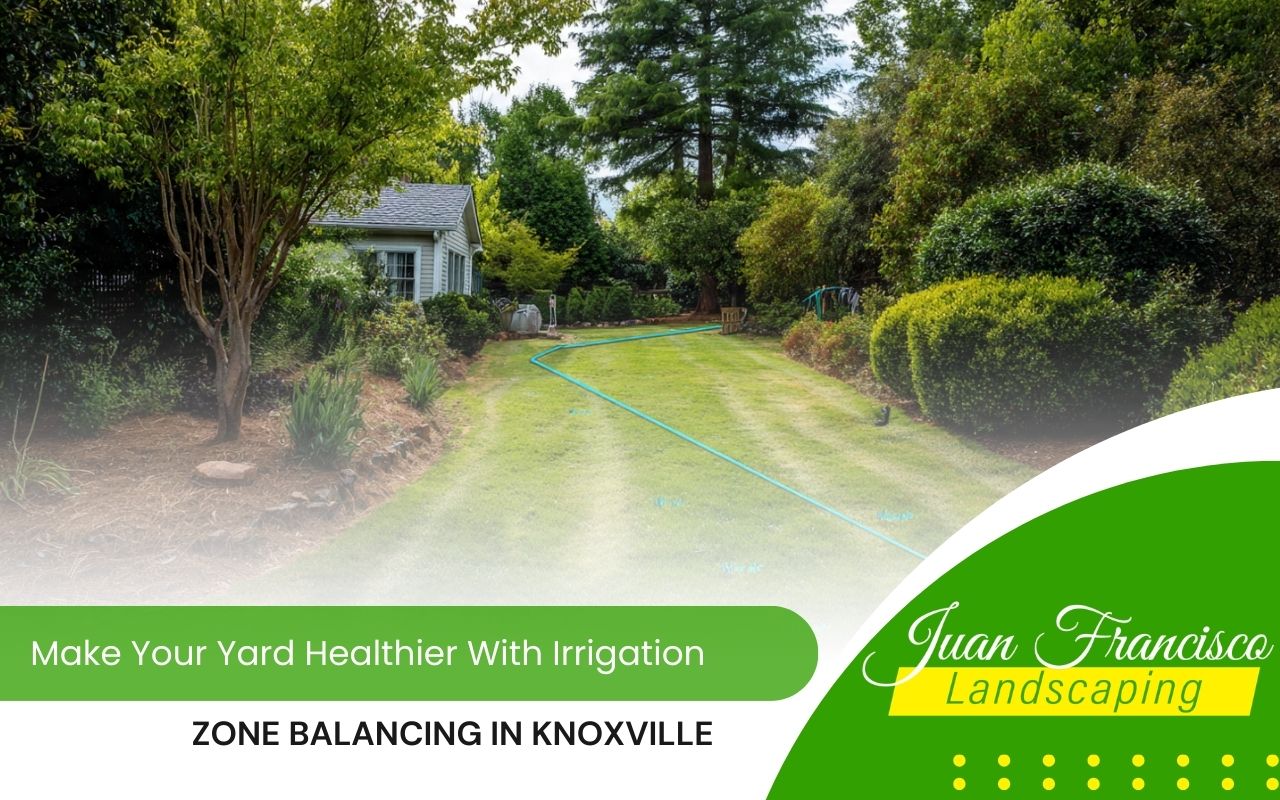
Make Your Yard Healthier With Irrigation Zone Balancing in Knoxville
Picture a garden full of strong, colorful plants. You can reach that goal with irrigation zone balancing in Knoxville. In Knoxville’s changing weather and soils, the right watering plan matters. When you balance zones, you improve plant health and also reduce waste. As a result, you can save water and cut long-term costs.
Instead of one plan for everything, you group areas by water needs. Then you match run times and flow to each group. This guide shows how to do it step by step. If you’ve seen dry lawns or wilted flowers, the fix may be simpler than expected.
Understanding Irrigation Zone Balancing
Think of your yard as smaller areas that need different care. Irrigation zone balancing in Knoxville means creating smart groups by plant type, sun, and soil. That way, you avoid soaking one spot while another stays dry. In turn, plants look better and you waste less water.
Also, each part of your landscape has its own needs. Shady beds, sunny lawns, and veggie plots “drink” at different rates. A one-plan sprinkler setup will not serve them all well. With irrigation zone balancing Knoxville, TN homeowners use, you can match run times and flow to each zone. As a result, you cut runoff and protect nutrients near roots.
Why Correct Watering Matters in Knoxville
Knoxville gets hot summers and can face dry spells. So, a well-tuned system helps plants build deeper roots. That makes them tougher during heat waves. Without balance, turf browns fast and flowers can droop by midday.
Just as important, correct watering supports conservation. When each zone gets what it needs, you reduce waste and lower the risk of fungus from soggy soil. Since some local rules encourage smart watering, a balanced design can help you meet those expectations.
- Encourages deeper, stronger roots
- Reduces runoff and puddles
- Lowers water waste and supports local conservation goals
Check Water Needs Across Your Yard
First, look at soil and how it holds water. Sandy soil drains fast, while clay holds moisture longer. Because of that, zones on different soils should not run the same length. Also, native plants often need less water once settled.
Next, note sun exposure. Full-sun areas dry out faster than shaded corners. So, map your yard and mark sunny, mixed, and shady spots. Then, use a simple probe or trowel to check moisture a few inches down. This step keeps your plan realistic and cost-friendly.
- Test soil moisture below the surface
- Mark full sun vs. shade areas
- Group native plants separately when possible
Split Your Garden Into Smart Zones
Start with a quick sketch of beds, lawns, and garden patches. Then label areas that share plant types and water needs. This simple map becomes your guide during upgrades. It also helps you track results and make small changes later.
After that, group plants with similar needs. For example, drought-tough plants should share a zone, separate from thirsty turf. Likewise, trees and shrubs usually need deeper, less frequent watering, so keep them on different lines. If you plan a new Sprinkler system Knoxville layout, zoning first prevents headaches later.
- Group lawns separately from flower beds
- Keep shrubs and trees on their own zone
- Separate slope areas to reduce runoff
Pick the Best Watering Method for Each Zone
Different zones often need different tools. Sprays and rotors work well for open lawns and larger beds. Meanwhile, drip lines feed water right at the roots. Because they water slowly, they reduce splash and wasted spray. In turn, you get steadier moisture where plants need it.
For tight beds and sensitive plants, Drip irrigation Knoxville homeowners choose can reduce evaporation. For wide grassy areas, a well-planned sprinkler layout can cover evenly with adjustable heads. If you are planning a full system, explore irrigation system installation in Knoxville to connect your zone plan with the right hardware.
Use Smarter Habits to Keep Zones Balanced
Timers and modern controllers can make watering easier. Smart controllers can adjust schedules based on weather and soil data. As a result, you avoid watering during rain and reduce waste. That also means fewer manual schedule changes.
Also, water early in the morning to reduce evaporation. Then group zones with similar run times, so the system cycles less. Adding rain sensors helps pause watering during storms. To keep performance high, follow tips from boost irrigation efficiency, which supports better results with less waste.
Monitor, Adjust, and Keep Improving
After setup, watch how each zone responds. Look for soggy spots, dry patches, or uneven growth. Then adjust run times and start times based on what you see. Even small tweaks can fix big issues.
Seasonal changes matter too. When summer heat rises, you may extend run times slightly. In cooler months, you can cut them back. For long-term reliability, build a routine using effective irrigation system maintenance, so clogs and leaks do not slowly throw zones off balance.
Fix Common Zone Problems Before They Grow
Some issues show up fast. You may notice standing water, patchy turf, or dry strips that return after watering. Often, the cause is low pressure, clogged nozzles, or a head aimed the wrong way. So, start with a close check of each zone.
Next, clean or replace nozzles, fix leaks, and adjust head direction. If coverage is still uneven, pipe sizing may be wrong. At that point, an irrigation contractor near me can help test pressure and tune each zone. Juan Francisco Landscaping can also guide you toward a better plan that fits local conditions.
Frequently Asked Questions
What does irrigation zone balancing mean?
It means grouping yard areas by similar water needs. Then you set run times and flow to match each group.
How do I know if my zones are out of balance?
Look for soggy areas, runoff, or dry patches. Also watch for uneven plant growth across the yard.
Can a sprinkler system cover everything the same way?
Usually not. Lawns, beds, and shrubs need different water amounts, so zones and methods should vary.
When should I water in Knoxville?
Early morning is best. It reduces evaporation and helps lower the risk of fungus during warm, humid periods.
Do I need professional help to balance zones?
You can start with mapping and simple adjustments. However, pressure tests and design changes are often easier with a pro.
Build a Greener Yard With Better Zone Balance
A balanced plan helps every part of your yard get the right moisture. When you group zones, choose the right method, and adjust with the seasons, plants grow stronger. You also cut waste and reduce stress on your system.
With irrigation zone balancing in Knoxville, you can keep your landscape healthy year after year. If you want expert support from Juan Francisco Landscaping, use the contact page to discuss a zone plan that fits your property: Contact Juan Francisco Landscaping.