
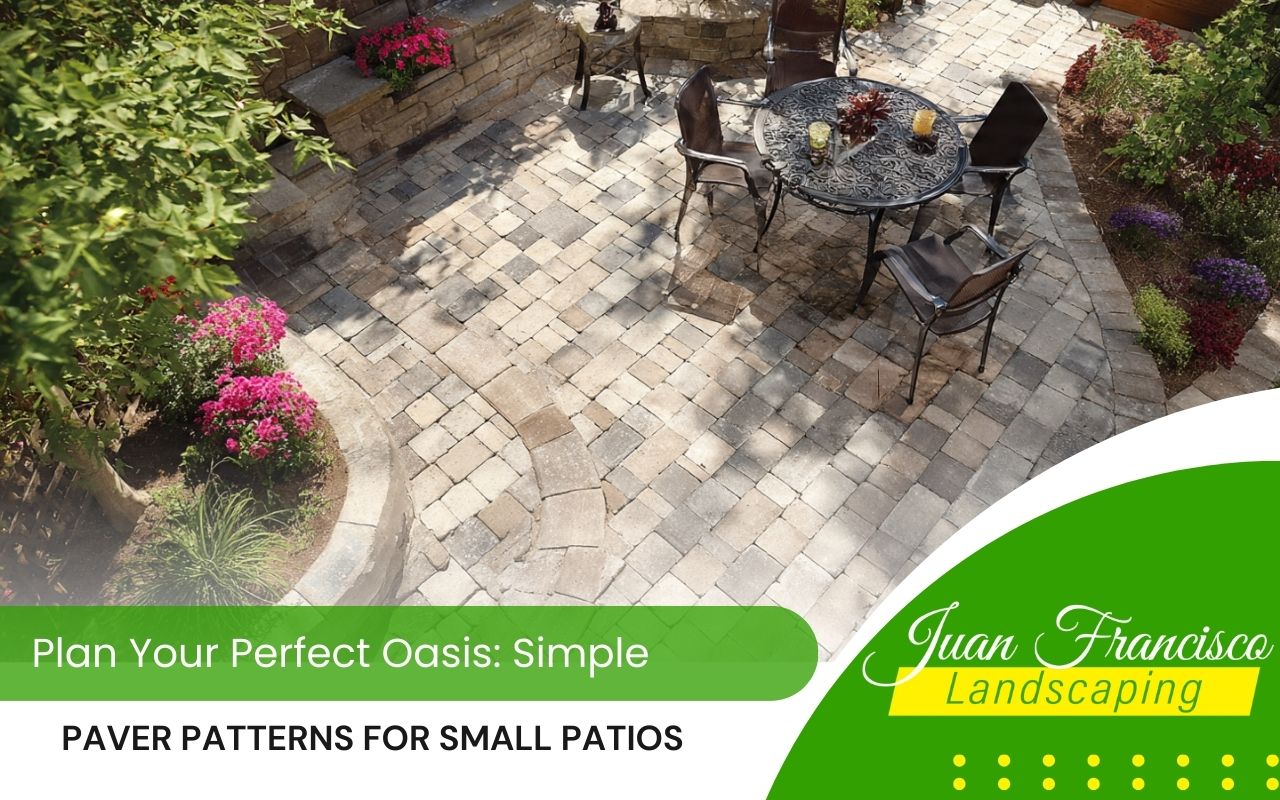
Plan Your Perfect Oasis: Simple Paver Patterns for Small Patios
How to Choose Paver Patterns for Small Patios helps you turn a small outdoor corner into a calm, welcoming retreat. Each brick, stone, or slab adds to the look and feel of this space. With the right pattern, your patio becomes a pretty extension of your home, not just a leftover patch of ground.
However, pattern choices affect more than style. They also shape how roomy and useful your patio feels every day. Whether you want to host friends or sip a quiet morning coffee, the pattern you pick matters. When you understand How to Choose Paver Patterns for Small Patios, the design process feels simple, not stressful.
Understanding the Importance of Paver Patterns for Small Patios
Think of your small patio as a blank canvas. Paver patterns act like bold brushstrokes that guide the eye. A long, simple layout can make a narrow area seem wider, while a more detailed design adds interest without clutter. Even slight shifts in direction create a sense of motion that keeps the surface from feeling flat.
Moreover, details like contrast, size, and texture change how large the space appears. Light pavers brighten a shady corner, while darker borders help frame the area. Mixing shapes and using gentle color changes breaks up plain stretches. As a result, your patio can look layered, open, and carefully planned instead of crowded.
Assessing Your Patio Needs and Style Preferences
Before choosing any pattern, consider how you use the patio most days. Do you eat outside, relax with friends, or care for potted plants? Listing your main activities shows whether you need room for a table, a quiet reading chair, or clear walking paths. This way, the layout supports your daily routine, not just a photo.
Thinking through how you live outside is the first step in How to Choose Paver Patterns for Small Patios that really work. Next, match the pattern to your favorite look. Do you love rustic charm, sleek modern lines, or classic brick style? Your final choice should echo your taste so the space feels like a natural part of your home.
- List your top two or three patio activities.
- Decide how much open floor you need to move comfortably.
- Note any existing features, like steps or garden beds.
- Choose a style theme: rustic, modern, or traditional.
For extra help shaping the whole outdoor layout, explore local
hardscaping services in Knoxville, TN. A pro can suggest patterns that match your yard and lifestyle.
Choosing the Right Paver Pattern for Space Optimization
Picking the best layout for a small patio starts with the shape of the space itself. Long, straight lines can stretch a narrow yard, while a pattern that turns a corner can soften a boxy footprint. As you explore How to Choose Paver Patterns for Small Patios, focus on layouts that pull the eye toward the furthest edges.
Additionally, think about pattern scale. Oversized shapes might overpower a compact area, and tiny pieces can feel busy. A medium size often gives the best balance. If your patio is rectangular, choose patterns that run lengthwise. If it is square, try designs that push attention toward the corners for extra depth.
- Match the pattern direction to the longest side of the patio.
- Use borders to frame the space and define edges.
- Keep pattern scale moderate so the surface feels calm.
If drainage is a concern, especially in rainy spots, consider
permeable pavers. They help manage water while still supporting your chosen layout.
Enhancing Visual Appeal with Geometric Paver Patterns
Geometric paver patterns rely on repeating shapes like squares, rectangles, or hexagons. The eye naturally follows these repeated forms, which can gently guide guests across the patio. By adjusting color or size within the same shape, you introduce subtle variety. Therefore, the surface looks interesting without feeling chaotic or overdone.
When using geometry, consistency matters. Too many bold changes compete with each other, while no variation at all may seem dull. Try sticking to two or three tones in the same color family and one or two paver sizes. This approach keeps the pattern lively yet calm, perfect for compact spaces that still want a standout look.
Simple Ways to Use Geometric Patterns
- Use one main shape and a second shape only for borders.
- Introduce slightly darker pieces in a soft, repeating rhythm.
- Pair clean geometric lines with simple, low-profile furniture.
Creating Illusions of Space with Diagonal Paver Layouts
Diagonal layouts place pavers at an angle, often around forty-five degrees. This breaks up straight lines and leads the eye across the surface in a fresh way. Because the pattern no longer follows the edges of the patio, the area can seem wider and longer. Consequently, tight corners feel less boxed in.
To support this visual trick, keep grout lines thin and even. Wide or uneven joints can distract from the angled flow. A neat border laid parallel to the house frames the diagonal field and adds polish. The contrast between straight edges and slanted pavers increases the sense of depth and movement.
Establishing Elegance and Sophistication with Herringbone Patterns
Herringbone patterns use rectangular pavers laid in a V-shaped weave. This classic layout feels refined yet strong, which makes it ideal for cozy patios that still see plenty of foot traffic. The zigzag lines pull the eye forward and sideways at once, helping the space appear both longer and more detailed.
For a formal look, choose pavers with crisp edges in a single color. The pattern itself provides decoration, so extra contrast is not required. If you prefer a softer style, consider two close shades that highlight the weave gently. In either case, herringbone offers timeless charm and reliable strength.
Incorporating Texture and Depth with Basket Weave Designs
Basket weave patterns place pairs of pavers side by side, alternating directions to resemble woven fabric. This layout adds gentle rhythm and texture to the patio floor. Because the blocks are simple and repeat often, the pattern feels organized. Yet, the changes in direction prevent the surface from looking plain or rigid.
You can deepen the effect by mixing slightly different finishes. Smooth pavers reflect light cleanly, while tumbled pieces catch shadows. Together, they make the woven look more noticeable. Guests are likely to notice the pattern up close and appreciate the cozy, handcrafted feel it brings to a small outdoor room.
Adding a Touch of Modernity with Running Bond Patterns
Running bond, also called stretcher bond, is one of the simplest layouts. Each row of pavers is offset from the one below, much like traditional brick walls. This steady rhythm creates clean lines that suit modern homes and minimal styles. Because the pattern is straightforward, it is often budget friendly and easier to install.
However, simple does not have to mean boring. You can add interest by using two shades of the same color and alternating rows. This creates a subtle stripe effect that highlights the long lines of the patio. Running bond also pairs well with slim furniture and uncluttered decor, reinforcing a fresh, current look.
Harmonizing Patterns with Patio Furniture and Decor
Once you choose a pattern, match your furniture and decor to it for a seamless feel. Straight-edged tables and benches complement basket weave and running bond designs. Meanwhile, round tables and curved chairs soften the sharper angles of herringbone or diagonal layouts. Coordinated cushions and outdoor rugs can echo your main paver colors.
Additionally, consider scale. Smaller pieces of furniture look best on busier patterns, while large sectionals pair well with simple layouts. Add planters, lanterns, and outdoor textiles to break up large stretches of stone. In time, your patio will feel less like a hard surface and more like an inviting outdoor living room.
- Match furniture shapes to the dominant lines in your pattern.
- Repeat two or three paver colors in cushions and rugs.
- Use planters to soften corners and frame seating areas.
If you are debating structure options, a
patio vs deck comparison can also help you decide which design best supports your furniture and decor plans.
Frequently Asked Questions
What is the easiest way to start with How to Choose Paver Patterns for Small Patios?
Begin by measuring your space and listing your main activities, such as dining or relaxing. Then, note your preferred style. With those basics in place, compare a few simple patterns, like running bond or basket weave, and see which one fits your layout and taste most naturally.
Which paver pattern makes a small patio look bigger?
Diagonal and herringbone layouts are great for visual tricks. Their angled lines move the eye across the surface, which can make boundaries feel softer. Long, straight patterns that run along the longest side of the patio also help stretch the space visually.
Can I mix different paver patterns in one small patio?
Yes, you can, but keep it limited. For example, use one main pattern in the center and a second pattern just for borders or a small seating nook. This mix adds character while still protecting the calm, open feel of a compact area.
Are eco-friendly materials a good choice for small patios?
Eco-friendly options, such as permeable pavers or recycled materials, can be excellent in small spaces. They manage water better and reduce waste. To explore ideas, look into
recycled materials for patios in Knoxville and see which textures and colors match your vision.
Should I hire a professional to lay paver patterns?
You can handle some simple patterns as a DIY project. However, a professional ensures proper base prep, drainage, and cutting, especially with angled designs. If you want expert guidance, you can
schedule a small patio design consultation to discuss layout options and installation.
Bringing Your Small Patio Oasis to Life
Choosing the right pattern can turn a small outdoor spot into a comfortable retreat that fits your daily life. With a clear plan for How to Choose Paver Patterns for Small Patios, your compact space can feel like a true outdoor room. Consider function, style, and smart visual tricks, then trust your taste as you finalize the design.
Finally, remember that even modest patios can feel special when patterns, materials, and decor work together. Whether you prefer modern lines or classic charm, the layout underfoot sets the tone. With thoughtful planning and, when needed, expert support, you will soon enjoy a peaceful backyard oasis tailored to your home.