
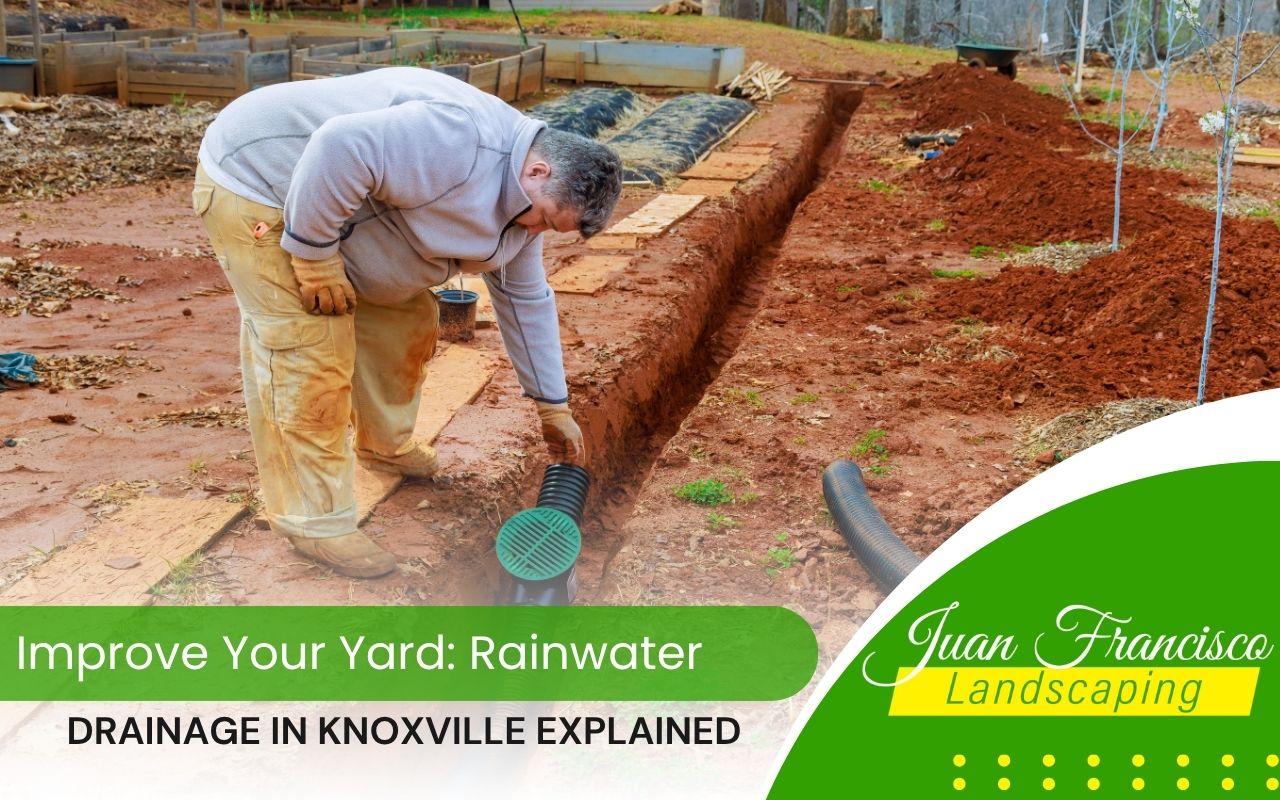
Improve Your Yard: Rainwater Drainage in Knoxville Explained
Picture your yard going from soggy to lush with smart water control. In Knoxville, heavy rain often leaves lawns muddy and beds flooded. Good planning protects curb appeal and prevents damage. Learn the basics, and choose simple fixes or full systems for your lot. With the right steps, Rainwater Drainage in Knoxville turns headaches into healthy, green spaces.
Understanding Rainwater Drainage in Knoxville
Watch how water moves across your property after storms. Gentle slopes and low areas collect runoff. Pooling can soak soil and push moisture toward foundations. The goal is to steer water away from weak spots and keep plants thriving. These insights guide smarter choices for your yard.
Soil and surfaces matter. Sandy soil drains fast but can lose nutrients. Clay holds water and creates puddles. Hardscapes push water into lawns or drains. Match options like grading, surface drains, or pipes to your site. This is key for effective Rainwater Drainage in Knoxville.
Importance of Proper Yard Drainage
Standing water harms grass, invites mosquitoes, and wears down patios. Over time, moisture cracks paths and makes surfaces unsafe. A dry yard is safer and easier to enjoy.
Drainage also guards your home. Water near foundations can seep inside and feed mold. Move runoff away from walls and floors. You’ll avoid repairs and protect value with smart plans that include Rainwater Drainage in Knoxville.
Common Yard Drainage Issues in Knoxville
Spot early warnings to fix problems fast. Look for low zones that stay wet, soggy garden edges, or channels cut by fast water. These signs point to poor runoff and soil loss.
- Pooling near foundations or walkways
- Overflowing beds and flooded pots
- Erosion on slopes after heavy rain
Match each issue to targeted methods like grading, channel drains, or rain gardens. That’s how Rainwater Drainage in Knoxville brings lasting results.
Assessing Your Yard’s Drainage Needs
Walk your yard after a storm. Note where water gathers and where it moves fast. Mark low spots and wet patches. This quick survey shapes your plan and budget.
Check local rainfall trends and run a simple soil test. Pick solutions that fit your site, from swales to French drains. A custom approach improves flow and keeps plants strong.
DIY Rainwater Drainage Solutions
Start small. Add soil to low areas and create a gentle slope toward safe outlets. Place gravel trenches or channel drains beside patios and paths. These capture surface water and move it to discharge points.
- Extend downspouts to carry roof water away
- Add rain barrels to store water for gardens
- Use mulch to slow runoff and prevent splash
- Consider environmentally friendly walkways to reduce puddles
These quick wins lower costs and protect your home. Done right, they strengthen Rainwater Drainage in Knoxville.
Implementing French Drains for Effective Water Management
Dig a trench, line it with fabric, and add gravel plus a perforated pipe. The pipe gathers extra water and carries it away. Place French drains near soggy lawns or foundations to manage both surface and groundwater.
- Keep slopes steady for smooth flow
- Vent outlets safely away from structures
- Backfill clean gravel to reduce clogs
Maintenance is simple. Clear debris and refresh gravel as needed. A hidden drain keeps your landscape neat.
Installing Rain Gardens to Enhance Drainage
Choose a shallow, low spot where water already pools. Mix compost into soil for better absorption. Plant native grasses, flowers, and shrubs to soak runoff and filter pollutants. This reduces erosion and adds color.
Design for beauty and function. Blend bloom times and textures. A well-placed rain garden supports the goals of Rainwater Drainage in Knoxville while boosting wildlife habitat.
Professional Help: When to Consult a Drainage Specialist
Call a pro for big lots, steep slopes, or heavy clay. Experts handle grading, permits, and code needs. They select systems that fit your site and budget.
If water still enters basements or crawl spaces, get an assessment. Pros check foundation drains, sump pumps, and barriers. When issues grow, expert care protects your home.
Maintenance Tips for Sustaining Effective Yard Drainage
Keep gutters, downspouts, and channels clear after storms. Remove leaves and dirt to prevent backups. Regrade soft spots as needed to keep the path for water.
- Refresh gravel in French drains
- Loosen compacted soil in beds
- Replace mulch and trim plants seasonally
Regular checks keep systems reliable and your landscape healthy.
Frequently Asked Questions
How do I know if my yard needs drainage work?
Watch for puddles that last over a day, erosion trails, or damp walls. These signs call for action.
What is the quickest DIY fix?
Extend downspouts and fill low spots. These steps often stop the worst pooling fast.
Are French drains costly?
Costs vary by length and depth. Focus on problem zones first to control budget.
Will a rain garden attract pests?
No, when built well. It drains within 24–48 hours, which discourages mosquitoes.
When should I call a professional?
Call if water reaches your home, or if DIY work fails. Pros solve complex grades.
Achieving a Beautiful and Functional Yard with Proper Rainwater Drainage
Use local knowledge, smart DIY steps, and pro help when needed. Direct water safely away and support strong plants. With a tailored plan, Rainwater Drainage in Knoxville delivers a vibrant, low-stress yard.
Ready to protect your home and landscape? Contact our team for a quick assessment and a clear plan today.