
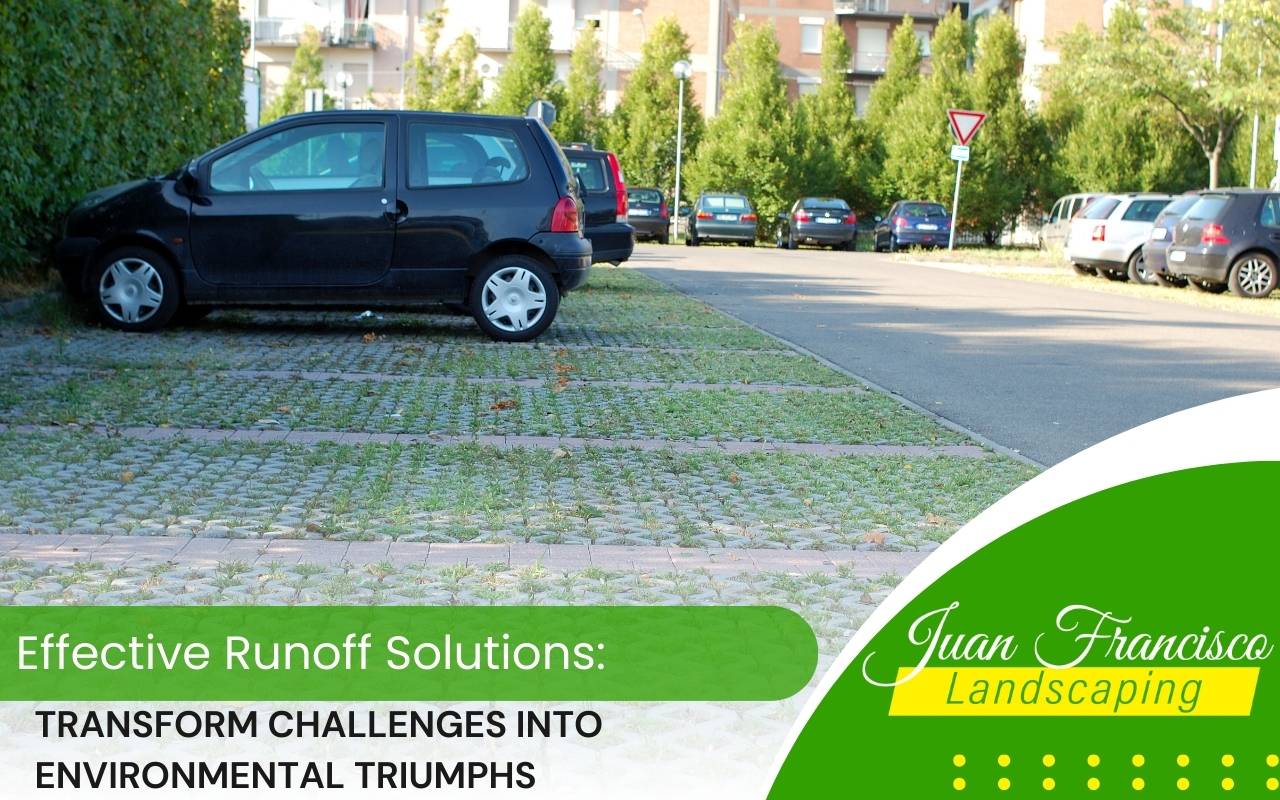
Effective Runoff Solutions: Transform Challenges into Environmental Triumphs
Water is precious, yet stormwater often creates environmental challenges. Indeed, urban and agricultural areas suffer when rainwater carries pollutants into waterways. This demands immediate and effective runoff solutions. With intelligent strategies, communities can safeguard ecosystems, public health, and long-term sustainability. From innovative designs to community engagement, runoff solutions transform problems into opportunities for environmental triumphs.
Green Roofs: Harnessing Nature’s Power for Stormwater Management
Green roofs capture rainwater, reducing stormwater volume and pollutant flow. Moreover, vegetated systems absorb precipitation while filtering pollutants naturally. These effective runoff solutions relieve urban sewer systems and protect water quality. Additionally, green roofs conserve energy by insulating buildings. They also create habitats for pollinators and urban wildlife. As cities expand, green roofs represent multifunctional, eco-friendly infrastructure that improves biodiversity and sustainability.
- Absorb precipitation naturally
- Filter pollutants before infiltration
- Reduce pressure on sewer systems
- Provide microhabitats for pollinators
Permeable Pavements: Reducing Runoff and Enhancing Infiltration
Permeable pavements allow rainwater to pass through surfaces and infiltrate the ground. In fact, materials include porous asphalt, pervious concrete, or interlocking pavers. These designs decrease runoff volume, recharge groundwater, and filter contaminants. Among runoff solutions, permeable pavements stand out for driveways, parking lots, and walkways. They also improve safety by reducing puddles and ice formation. Furthermore, they combat urban heat islands through evaporative cooling.
- Capture and release water slowly
- Recharge groundwater reserves
- Filter pollutants effectively
- Improve pedestrian and vehicle safety
Rain Gardens: Natural Beauty for Effective Runoff Control
Rain gardens are shallow planted depressions that absorb stormwater from rooftops, streets, and yards. Additionally, native plants in rain gardens act as bio-retention systems. They filter pollutants, support wildlife, and reduce erosion. These runoff solutions also provide aesthetic value, transforming empty spaces into lush landscapes. During heavy rains, they reduce flooding downstream. Over time, rain gardens become low-maintenance, sustainable assets for communities.
- Capture rainwater directly
- Filter out nutrients and pollutants
- Provide habitats for pollinators
- Reduce maintenance compared to lawns
Bioswales: Natural Drainage Systems for Runoff Management
Bioswales are vegetated channels that slow runoff and filter pollutants. Installed along roads and parking lots, they guide stormwater while promoting infiltration. Consequently, these runoff solutions also enhance urban aesthetics with native vegetation. Regular upkeep ensures long-term effectiveness. In addition, bioswales support biodiversity by providing continuous green corridors for wildlife.
Sustainable Urban Planning: Integrating Runoff Solutions
Urban planning can proactively manage stormwater by embedding runoff solutions into development codes. Green roofs, rain gardens, and permeable pavements become standard practices. Moreover, planners and engineers collaborate to protect watersheds and wetlands. Incentives encourage developers to adopt eco-friendly measures. By prioritizing infiltration and storage, cities reduce flood risks and enhance resilience. Explore hardscaping for erosion control for sustainable planning insights.
Community Engagement: Involving Residents in Stormwater Management
Residents play a vital role in stormwater initiatives. Educating communities about runoff solutions builds shared responsibility. For example, volunteer planting days, rain barrel programs, and native gardens empower homeowners. Technology like apps helps monitor water quality. Additionally, recognizing contributions encourages participation. When residents see greener neighborhoods, adoption of sustainable practices grows naturally. Learn more with hardscape drainage solutions for local applications.
Monitoring and Maintenance: Ensuring Long-Term Success
Runoff solutions require regular care to remain effective. Maintenance includes clearing debris, replacing vegetation, and cleaning pavements. Moreover, monitoring data tracks performance and guides adjustments. Feedback loops between engineers and communities refine practices. Therefore, consistent attention ensures long-term environmental and social benefits from these systems.
Policy Advocacy: Building Support for Green Infrastructure
Strong policies accelerate the adoption of runoff solutions. Advocacy efforts push for grants, tax credits, and updated building codes. By sharing data and case studies, advocates highlight multiple benefits like flood reduction and water quality improvement. Consequently, supportive regulations make eco-friendly choices accessible and sustainable.
Case Studies: Success Stories of Runoff Solutions
Portland’s green streets and Chicago’s green roofs demonstrate large-scale impact. Smaller communities also benefit from rain gardens and swales. International examples highlight runoff solutions in agriculture and neighborhoods alike. These cases prove that thoughtful planning combined with community engagement creates lasting change. Consider retaining wall design to complement these practices.
Frequently Asked Questions
What are the main benefits of runoff solutions?
They reduce flooding, improve water quality, recharge groundwater, and enhance biodiversity while creating more resilient cities.
Do runoff solutions require special maintenance?
Yes, tasks include debris removal, soil replacement, and vegetation care. Additionally, consistent maintenance ensures long-term performance.
Can homeowners install rain gardens or bioswales?
Absolutely. With planning and guidance, homeowners can create small-scale rain gardens and swales for effective stormwater control.
Are permeable pavements durable?
Yes, when installed correctly. They withstand decades of traffic and provide safe, sustainable surfaces for homes and businesses.
How do policies encourage runoff solutions?
Policies provide incentives, codes, and grants. Therefore, they promote adoption by making eco-friendly practices more attractive and affordable.
Transforming Environmental Challenges into Sustainable Victories
Diverse runoff solutions—like green roofs, pavements, and rain gardens—manage stormwater sustainably. Engaged communities and strong policies expand success. Monitoring ensures long-term resilience. Finally, ready to improve your property? Visit our contact page today. Explore safe pathways on slopes for practical applications that enhance your outdoor environment.