
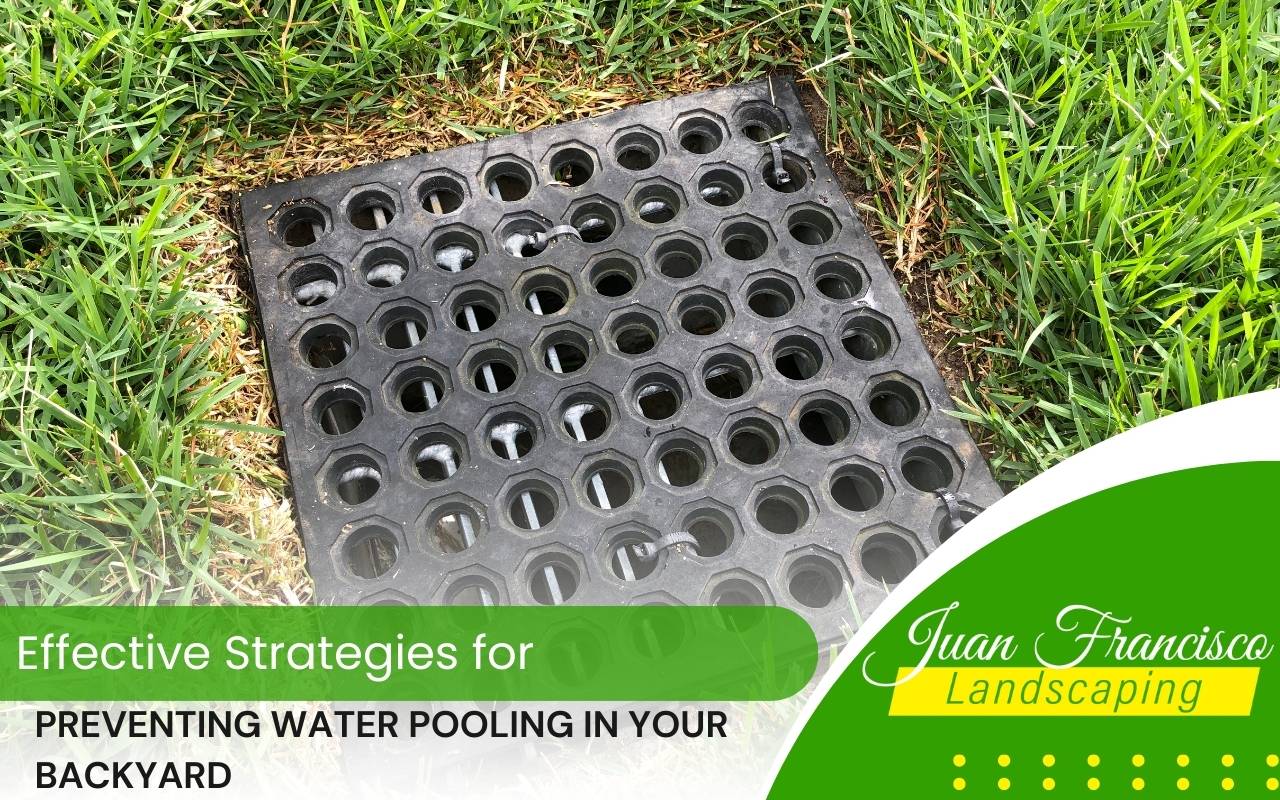
Effective Strategies for Preventing Water Pooling in Your Backyard
Water pooling in your backyard might seem like a minor issue, but it can cause serious problems. From mosquito breeding to damaging foundations, the consequences are real. Moreover, preventing water pooling ensures your outdoor space remains safe, dry, and attractive. With practical strategies, you can turn a soggy yard into a functional and appealing extension of your home. Transitioning from frustration to satisfaction begins with the right techniques and consistent maintenance. This guide explores proven methods that protect your property and enhance its value. Finally, let’s discover effective solutions for preventing water pooling in your backyard.
Assessing Your Yard’s Drainage Patterns
The first step in preventing water pooling is assessing your yard’s drainage patterns. After rainfall, carefully observe how water moves across your property. Then, identify low spots where water accumulates and slopes directing water toward your home. Since clay soils often worsen pooling issues, sandy soils usually improve absorption. Additionally, a simple soil test reveals drainage capacity. By mapping trouble zones, you establish a strong baseline for corrective measures. Consequently, this ensures that solutions directly address your backyard’s unique challenges.
Implementing Proper Grading Techniques
Proper grading reshapes the land, guiding water away from structures toward drainage areas. Typically, a gentle slope of one inch per foot is recommended. In addition, regrading eliminates depressions and ensures runoff flows smoothly. Use stakes and string lines to visualize slopes. Then, redistribute soil carefully to avoid abrupt transitions. After shaping, lightly compact the soil and reseed with grass or groundcover. Ultimately, effective grading plays a critical role in preventing water pooling while keeping your backyard stable and attractive.
- First, mark high and low points with stakes
- Next, redistribute soil evenly
- Additionally, avoid over-compaction
- Finally, stabilize with grass or groundcover
Installing French Drains for Effective Water Management
French drains are proven systems for preventing water pooling. Essentially, they redirect groundwater using perforated pipes set in gravel-filled trenches. As a result, water enters the system and flows to safe discharge points. Furthermore, a trench with proper slope, gravel, and landscape fabric ensures efficiency. This solution works quietly, keeping problem zones dry. When installed correctly, French drains offer long-term reliability against standing water issues.
- First, plan the trench with a slight slope
- Then, excavate 12 inches wide and 18 inches deep
- Additionally, use landscape fabric to block soil intrusion
- Finally, cover pipe with gravel and backfill with soil
Utilizing Rain Gardens to Absorb Excess Water
Rain gardens provide eco-friendly solutions for preventing water pooling. Specifically, these shallow depressions planted with native vegetation absorb stormwater. During rain, water fills the garden and then drains within 48 hours. Since native plants tolerate both wet and dry periods, they filter pollutants and attract pollinators. Over time, rain gardens improve biodiversity and add beauty to your yard. Thus, they blend form and function, managing runoff naturally.
Choosing Permeable Hardscaping Materials
Traditional concrete worsens runoff, but permeable hardscaping reduces pooling. Materials such as permeable pavers, gravel, or porous asphalt allow water to seep into the soil. Not only do these solutions combine durability with eco-friendly design, but proper installation with layered stone bases also ensures effectiveness. By adopting permeable surfaces, you promote infiltration while enhancing aesthetics. For example, consider exploring hardscaping for erosion control as part of your drainage strategy.
- Permeable pavers with gravel joints
- Gravel pathways and patios
- Porous asphalt or concrete surfaces
Creating Dry Creek Beds for Natural Water Diversion
Dry creek beds divert excess water naturally, preventing stagnation. Essentially, these channels mimic streams, guiding runoff to lower points. Constructed with stones and plants, they provide both function and beauty. During rains, water flows smoothly through the bed. In contrast, during dry times, the feature adds visual interest. Therefore, dry creek beds are excellent for preventing water pooling in decorative ways. For additional inspiration, explore hardscape drainage solutions for more ideas.
Installing a Sump Pump for Active Water Removal
In severe cases, sump pumps actively remove standing water. Typically installed at low points, these systems pump water away to safe areas. Moreover, reliable pumps with backup power provide peace of mind. Regular maintenance also keeps systems effective. Consequently, for properties with persistent pooling, sump pumps offer a direct and dependable solution. This method strongly supports long-term strategies for preventing water pooling.
Incorporating Raised Beds for Planting and Drainage
Raised beds elevate planting zones, improving drainage. As a result, excess water drains quickly, protecting roots from rot. Beds made with rot-resistant wood, stone, or composites add structure and charm. Furthermore, filling them with well-draining soil blends optimizes plant health. Raised beds transform soggy areas into vibrant garden features. Thus, they combine functionality with beauty, further preventing water pooling in planting zones.
Maintaining Gutters and Downspouts to Direct Water Away
Gutters and downspouts channel roof runoff, protecting foundations and landscapes. Therefore, clean them regularly to prevent clogs. Extend downspouts 5–10 feet from the home. Additionally, consider gutter guards for added efficiency. Proper maintenance ensures that roof runoff doesn’t cause backyard pooling. Indeed, it’s a cost-effective strategy that prevents damage and enhances drainage performance.
Frequently Asked Questions
How can I tell if my yard needs better drainage?
Look for standing water after rainfall, soggy soil, or water flowing toward your foundation. If you notice these signs consistently, improvements are necessary.
Are rain gardens effective year-round?
Yes, rain gardens manage excess water during storms and thrive in dry conditions with native plants. Moreover, they offer ongoing environmental benefits.
What’s the difference between French drains and dry creek beds?
French drains use pipes underground, while dry creek beds divert surface water naturally. Consequently, each serves different drainage needs.
Can raised beds really help with drainage?
Absolutely. Raised beds lift plants above saturated soil, reducing water stress on roots. In addition, they enhance garden design and functionality.
When should I call a professional for drainage help?
If pooling damages foundations or persists despite DIY solutions, professional assistance is strongly recommended. At that point, expert help ensures long-term protection.
Enjoying a Functional and Beautiful Backyard
By combining grading, French drains, rain gardens, and sump pumps, you can solve water issues effectively. These solutions protect landscapes, prevent soil erosion, and create inviting outdoor areas. Moreover, preventing water pooling safeguards your investment and enhances outdoor living. Ready to transform your yard? Reach out through our contact page for expert guidance. For advanced solutions, review our resources on retaining wall design or safe pathways on slopes. With thoughtful planning, your backyard can remain functional, dry, and stunning all year long.