
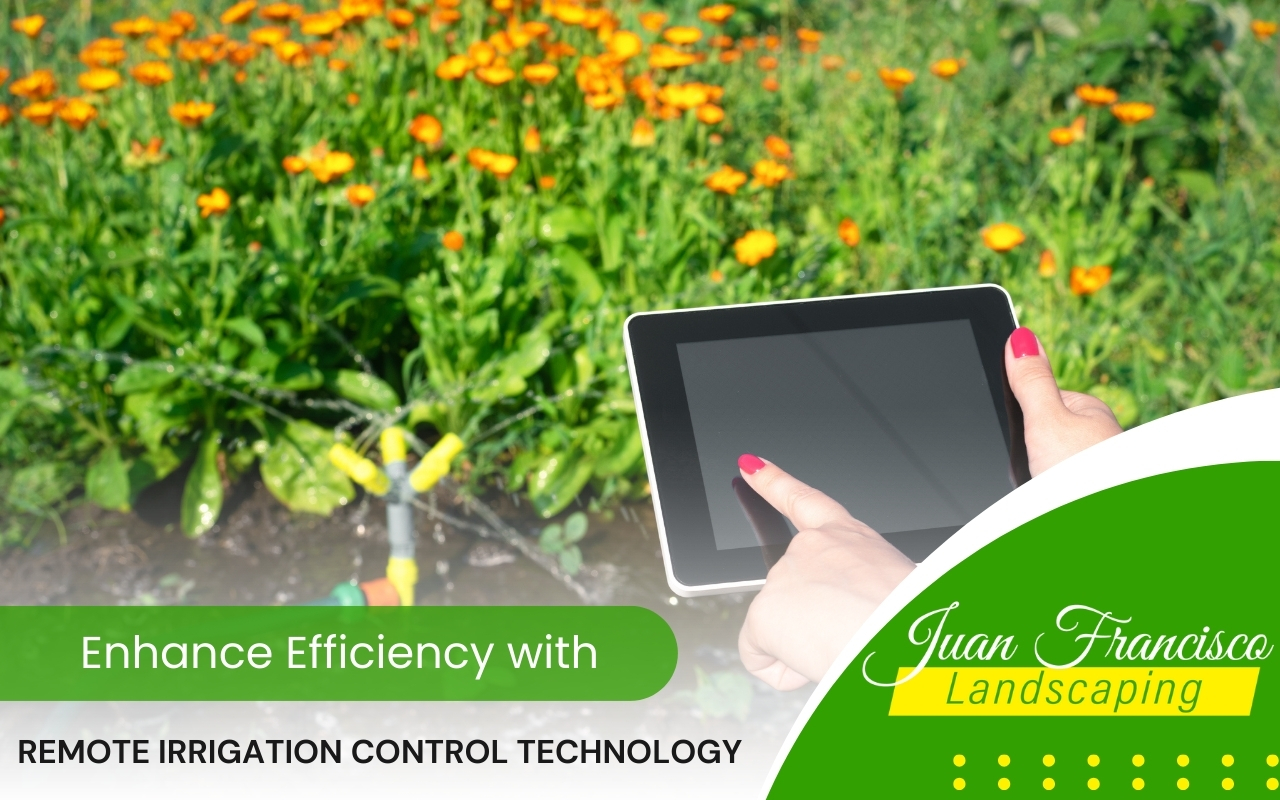
Enhance Efficiency with Remote Irrigation Control Technology
In today’s fast-paced world, the agricultural industry is experiencing a technological renaissance. One remarkable innovation is remote irrigation control. Imagine overseeing your entire irrigation system from the palm of your hand—adjusting schedules, monitoring water usage, and responding to environmental changes in real-time without stepping foot in the field. With water scarcity becoming a pressing concern, efficient management of this vital resource is critical. Studies show traditional irrigation can waste up to 50% of water. Remote irrigation control offers precision and flexibility, enhancing water use efficiency while reducing labor costs. Farmers can boost productivity and conserve water, advancing sustainable agriculture. Explore efficient irrigation setups here.
Understanding Precision Farming
Precision farming, also called smart farming, optimizes field-level management using advanced technologies. GPS mapping, soil sampling, and variable-rate applications allow targeted interventions in specific zones. This reduces waste, improves crop performance, and lowers environmental impacts. Precision farming uses data-driven decisions to address soil variability and climate fluctuations. Within this ecosystem, remote irrigation control ensures crops receive the exact water they need at the right time. Sensors, weather data, and automated valves bridge the gap between decision-making and action. This promotes healthier plant growth and prevents stress caused by over- or under-watering. Learn more about smart irrigation systems.
Benefits of Remote Irrigation Control
- Water Conservation: Remote irrigation control allocates water based on real-time data, significantly reducing waste.
- Cost Savings: Optimized water use and scheduling reduce labor needs and energy consumption.
- Enhanced Crop Health: Automated alerts detect leaks or equipment issues, ensuring optimal hydration and stress prevention.
- Improved Yield Consistency: Real-time adjustments based on weather and growth stages enhance yield quality and quantity.
- Data-Driven Decisions: Logging and reporting provide insights for future planting, supporting continuous improvement.
Technology Integration in Agriculture
IoT devices, soil moisture sensors, and weather stations feed data to central platforms. Drones monitor crop health, enabling precision interventions. Cloud computing and machine learning process this data for predictive insights. Within this ecosystem, remote irrigation control acts as a dynamic interface between data and action. Dry zones trigger localized irrigation, while predicted rainfall delays watering, conserving water and energy. Automation reduces human error and ensures resources are used efficiently. As more farms adopt these technologies, the synergy between remote irrigation control and automated machinery revolutionizes agricultural productivity and sustainability.
Importance of Data in Precision Farming
Data is the lifeblood of precision farming. Continuous monitoring of soil, nutrients, weather, and crop health provides field-specific insights. Farmers tailor interventions to each plot, minimizing waste and reducing input costs. Remote irrigation control relies on accurate data from soil moisture sensors and weather forecasts. This enables closed-loop feedback that fine-tunes water delivery. Farmers can proactively adjust irrigation, anticipate stress events, and document water-saving achievements for compliance or certifications.
Enhancing Water Management Efficiency
Efficient water management is critical given climate change and growing food demand. Traditional irrigation often causes uneven distribution and runoff. Remote irrigation control delivers water precisely where needed. Soil moisture probes, automated valves, and intuitive interfaces optimize scheduling. Threshold levels trigger automatic irrigation events. Weather forecasts inform delays or advances in watering. This reduces water consumption up to 30% versus conventional practices, promoting root development and higher yields. Upgrade your irrigation system for better efficiency.
Addressing Modern Farming Challenges
Farmers face water shortages, labor constraints, market fluctuations, and strict regulations. Remote irrigation control automates irrigation and provides actionable insights. Reduced manual labor eases workforce constraints. Automated alerts for system faults prevent crop damage. Usage reports support regulatory compliance and sustainability programs. Real-time monitoring and remote commands allow adaptation to climate variability and market demands while maintaining profitability.
Transition to Smart Agricultural Practices
Strategic planning and investment assess current infrastructure and prioritize technology adoption. Scalable implementation allows pilot projects to expand gradually. Collaboration with agronomists and technology providers ensures successful adoption of remote irrigation control systems. This approach aligns technology with best practices, improving resource utilization, crop quality, and overall productivity.
Frequently Asked Questions
What is remote irrigation control?
It is a technology that allows farmers to monitor and manage irrigation systems from a remote location using sensors and software.
How does it save water?
Remote irrigation control adjusts water delivery based on real-time soil and weather data, preventing overwatering.
Can it improve crop health?
Yes, automated alerts and precise irrigation ensure plants receive the correct water amount, reducing stress and promoting growth.
Is remote irrigation control compatible with existing systems?
Many systems can integrate with current irrigation setups, providing remote monitoring and automation for improved efficiency.
Embracing the Future of Farming
The agriculture sector is embracing AI, robotics, and big data. Autonomous vehicles work with sensors for targeted interventions. Remote irrigation control remains central, evolving with adaptive learning and real-time feedback. Solar-powered pumping stations reduce costs and carbon footprints. These innovations give farmers control over resources, ensuring food security, environmental stewardship, and economic resilience. For expert guidance, contact us via our contact page.