
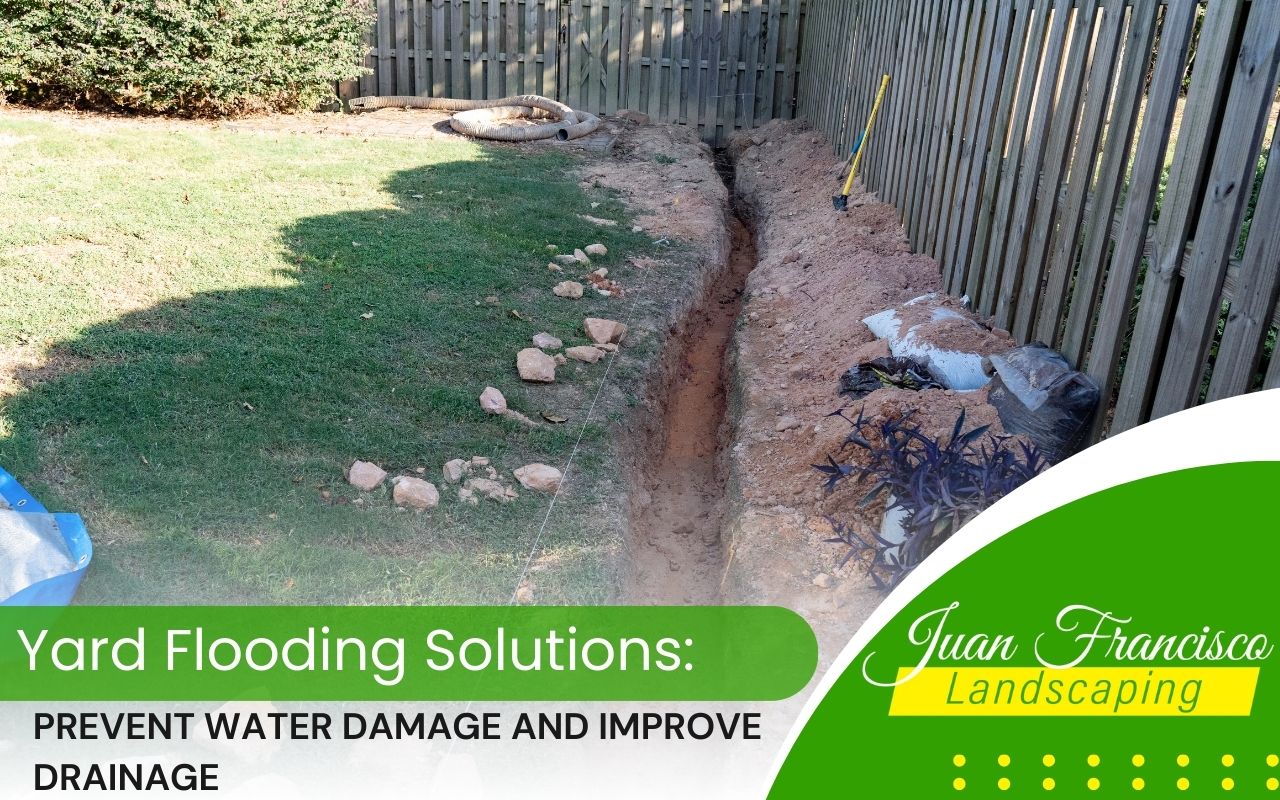
Yard Flooding Solutions: Prevent Water Damage and Improve Drainage
If you’re dealing with a flooded yard after every rainfall, finding the right yard flooding solutions is essential to protect your home and landscape. In Knoxville, heavy rains and poor drainage can lead to water pooling, eroding soil, and damaging plants. Fortunately, there are simple and effective solutions you can implement to prevent yard flooding, improve water flow, and safeguard your property.
Understanding the Causes of Yard Flooding
Why Your Yard Floods After It Rains
Poor drainage, heavy rainfall, and compacted soil often cause yard flooding. In Knoxville, the clay-heavy soil makes it difficult for water to flow through the ground, causing it to pool on the surface. Additionally, improper grading, clogged gutters, and poorly positioned downspouts can contribute to water collecting in low-lying areas of your yard. Identifying the root causes of your yard flooding is the first step in finding a solution.
Effective Yard Flooding Solutions
1. Install French Drains
French drains are one of the most effective yard flooding solutions. By digging a trench, filling it with gravel, and installing a perforated pipe, you create a pathway for excess water to drain away from low spots in your yard. This solution allows water to flow underground, preventing it from pooling on the surface and reducing the risk of flooding.
2. Improve Yard Grading
Proper yard grading is essential for adequate drainage. By sloping the ground away from your home’s foundation, you ensure water flows away from your house and toward designated drainage areas. Re-grading your lawn to create a slight slope can prevent water from collecting in low spots and reduce the risk of yard flooding.
3. Install a Dry Well
A dry well is an underground reservoir that captures excess water and allows it to filter into the soil gradually. This solution is especially effective in areas that experience frequent flooding. A dry well can be installed in the lowest part of your yard to collect runoff and prevent water from pooling on the surface.
4. Use Swales and Berms
Swales and berms are natural landscaping features that help direct water away from your yard. A swale is a shallow ditch that channels water to a designated area, while a berm is a raised area of soil that diverts water flow. Together, these features can effectively manage excess water and prevent yard flooding.
Additional Tips for Preventing Yard Flooding
5. Clean Gutters and Downspouts Regularly
Clogged gutters and downspouts can lead to water spilling and pooling in your yard. Regularly clean your gutters to ensure water flows freely through your downspouts and away from your home’s foundation. Consider installing gutter guards to prevent debris buildup.
6. Use Permeable Paving
Permeable paving allows water to flow through the surface, reducing runoff and promoting water absorption. Replacing solid surfaces like concrete with permeable materials like gravel or porous pavers can significantly improve drainage and reduce the likelihood of yard flooding.
Preventing Yard Flooding in the Future
Regular Lawn Maintenance
Maintaining your lawn and drainage system is key to preventing future flooding. Regular aeration, reseeding, and topdressing will improve soil structure, allowing water to flow more easily. Additionally, regularly check your drainage systems, including French drains and dry wells, to ensure they function correctly.
Let Us Help You Solve Your Yard Flooding Issues
Yard flooding doesn’t have to be a recurring problem. At Juan Francisco Landscaping, we specialize in implementing effective yard flooding solutions that protect your property and improve water drainage. If you’re ready to take control of your yard’s drainage issues, contact us at (865) 455-3964 to schedule a consultation.